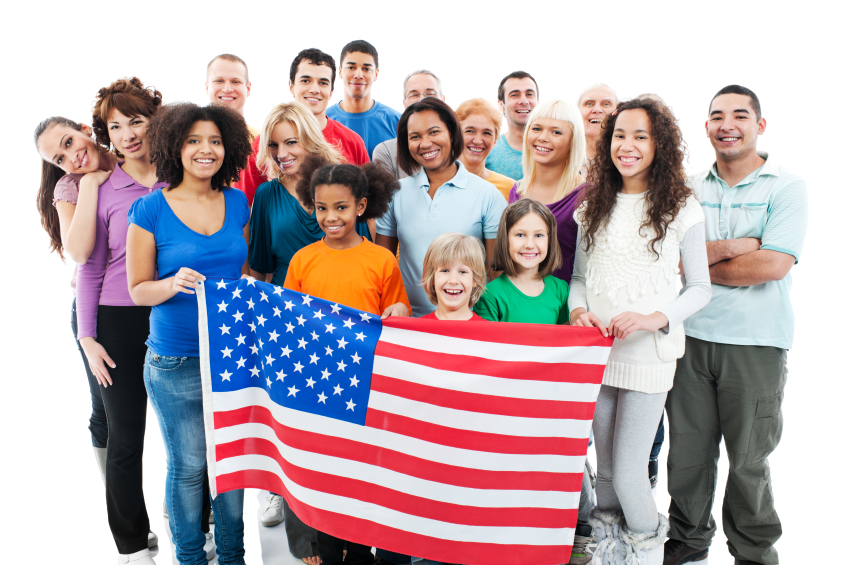
Every immigrant and child of immigrants in the United States should be alarmed by Trump’s attack on birthright citizenship to question the eligibility of Kamala Harris to serve as president. The conservative legal attack on birthright citizenship is no longer just a fringe argument. If Trump gets another term, it could well become law, removing citizenship from millions of Americans born in the U.S. to immigrant parents.
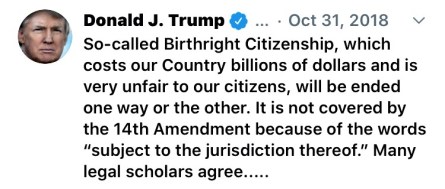
Trump has tweeted that “So-called Birthright Citizenship, which costs our Country billions of dollars and is very unfair to our citizens, will be ended one way or the other. It is not covered by the 14th Amendment because of the words “subject to the jurisdiction thereof.” Many legal scholars agree. . .”
 Almost immediately after Joe Biden announced that he had chosen California’s junior U.S. Senator, Kamala Harris, as his running mate, Newsweek magazine published an article by Chapman Law School professor John Eastman questioning whether Harris is eligible to be president. Eastman’s argument against Harris’ eligibility stems from his belief that she is not a “natural born” citizen of the United States under the language of the U.S. Constitution because, although she was born in this country, neither of her parents were U.S. citizens at the time of her birth.
Here is Eastman’s succinct statement of his argument against birthright citizenship:
“The language of Article II is that one must be a natural-born citizen. The original Constitution did not define citizenship, but the 14th Amendment does — and it provides that “all persons born . . . in the United States, and subject to the jurisdiction thereof, are citizens.” Those who claim that birth alone is sufficient overlook the second phrase. The person must also be “subject to the jurisdiction” of the United States, and that meant subject to the complete jurisdiction, not merely a partial jurisdiction such as that which applies to anyone temporarily sojourning in the United States (whether lawfully or unlawfully). Such was the view of those who authored the 14th Amendment’s Citizenship Clause; of the Supreme Court of the United States in the 1872 Slaughter-House Cases and the 1884 case of Elk v. Wilkins; of Thomas Cooley, the leading constitutional treatise writer of the day; and of the State Department, which, in the 1880s, issued directives to U.S. embassies to that effect.” (Emphasis in original).
This is not a new argument for Eastman or many other “Federalist Society” conservatives. “Birthright citizenship” — the principal that one become a U.S. citizen simply by being born in the United States — has long been a target of those who want to limit immigration, as well as those who want to keep America white.
The principle of birthright citizenship in our Constitutional law was inherited from the English common law, where it was called jus soli (“right of soil”), in contrast to citizenship based on the principle of jus sanguinis (“right of blood”).
As opponents of birthright citizenship often point out, very few other countries endow citizenship in this way; instead, most countries require that one or both of a person’s parents be citizens of the country before their children can be citizens, regardless of where the childen were born.
The eligibility requirements for U.S. president and vice president are spelled out in Article II of the Constitution:
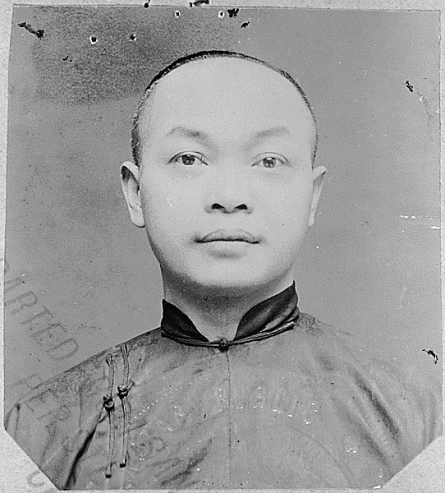
Wong Kim Ark in 1904
“No Person except a natural born Citizen, or a Citizen of the United States, at the time of the Adoption of this Constitution, shall be eligible to the Office of President; neither shall any person be eligible to that Office who shall not have attained to the Age of thirty five Years, and been fourteen Years a Resident within the United States.”
The Constitution did not originally define citizenship. However, in 1868, as part of an historic overhaul of the Constitution in the aftermath of the Civil War known as the Reconstuction Amendments, the 14th Amendment was adopted to clarify who was to be deemed a citizen of the United States. The language of the 14th Amendment states that “All persons born or naturalized in the United States, and subject to the jurisdiction thereof, are citizens of the United States and of the State wherein they reside.”
As Eastman and other anti-birthright citizenship advocates point out, the specific purpose of this language was to overrule the Supreme Court’s Dred Scott decision that Black people were not citizens of the United States. It was not until the case of United States v. Wong Kim Ark (1898) that this language was tested in regard to whether it applied to a child of immigrants. In that case, the Supreme Court held, by a vote of 6-2, that under the Fourteenth Amendment, Wong Kim Ark, a man born in San Francisco to Chinese citizens who had a permanent domicile and residence in the United States — and whose parents were not employed in a diplomatic or other official capacity by a foreign power — was a citizen of the United States. The majority held that the language o the 14th Amendment regarding citizenship did not just apply to African Americans, but should be interpreted in light of birthright citizenship principle of the English common law, which included virtually all native-born children, excluding only those who were born to foreign rulers or diplomats, born on foreign public ships, or born to enemy forces engaged in hostile occupation of the country’s territory. Since that time, numerous subsequent decisions of the federal courts have applied the principle of birthright citizenship under the 14th Amendment to the children of foreign nationals born in the United States.
According to Eastman and many other conservatives, United States v. Wong Kim Ark was wrongly decided or has been wrongly interpreted. Specifically, Eastman contends that it misinterpreted the citizenship clause of the 14th Amendment, which should be understood only as a clarification and solidification of the citizenship status of former slaves and their descendents, not immigrants from China or other countries.
He further argues that the issue in Wong Kim Ark was whether a child born to Chinese immigrants “who had become lawful, permanent residents in the United States” and that “the Supreme Court has never held that anyone born on U.S. soil, no matter the circumstances of the parents, is automatically a U.S. citizen.”
Eastman then applies his anti-birthright citizenship analysis to the facts about the parentage of Kamala Harris, asking whether her parents (her mother was born in India and her father was born in Jamaica) were “merely temporary visitors, perhaps on student visas issued pursuant to Section 101(15)(F) of Title I of the 1952 Immigration Act.” If that were the case, Eastman argues, “then derivatively from her parents, Harris was not subject to the complete jurisdiction of the United States at birth, but instead owed her allegiance to a foreign power or powers — Jamaica, in the case of her father, and India, in the case of her mother — and was therefore not entitled to birthright citizenship under the 14th Amendment as originally understood.”
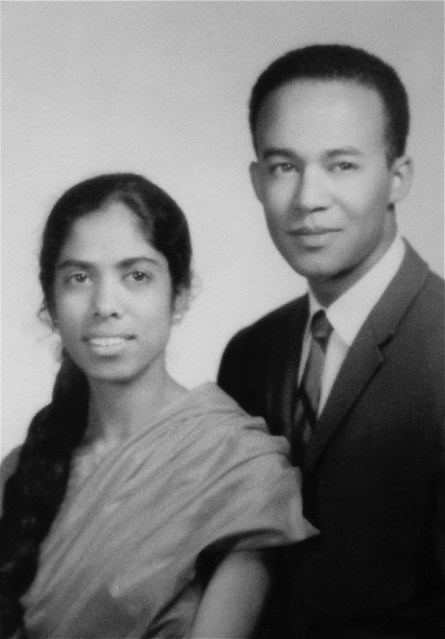
Kamala Harris’ parents, Shyamala Gopalan and Donald Harris, immigrants from India and Jamaica.
Let’s pause for a moment to understand the enormous impact of what Eastman is asserting — and which many other conservatives have also asserted and to which President Trump has now clearly stated his agreement.
First, it would mean that Kamala Harris is likely not eligible to be president (or vice president) of the United States.
Second, it would call into question the citizenship of tens of millions of Americans who were born in the United States but whose parents were not citizens.
Of course, it would also call into question the citizenship of their children and their children’s children, and so on.
I am not going to refute Eastman’s argument here. That has been done by many historians and constitutional law scholars and can be read here, here, and here.
What must be stressed is that the Eastman/Trump argument against birthright citizenship is no longer a fringe idea. Instead, it is close to mainstream in conservative and Republican legal circles, such as the Federalist Society (which Trump and the Republican Party have given a prominent role in selecting federal judges) and could easily become the law of the United States if Trump gets another term and gets to appoint more Justices to the U.S. Supreme Court.
Trump has made clear that he wants to end birthright citizenship “one way or another.” If that were to happen, the citizenship of tens of millions of people born in the United States to immigrant parents, and the children of these children, would be in question.
That’s part of what’s at stake in the 2020 Election.
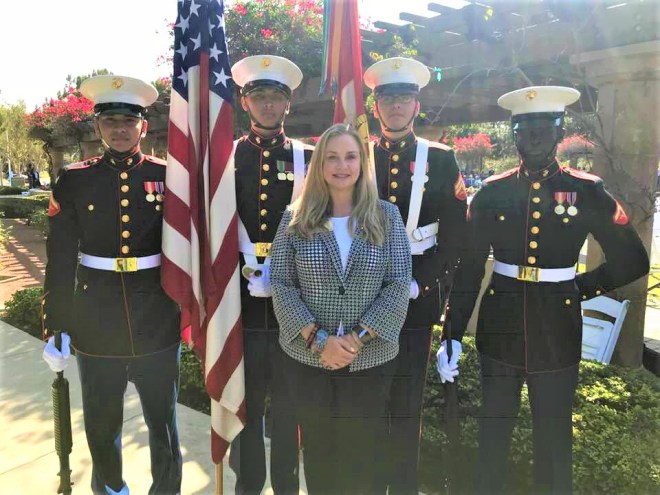
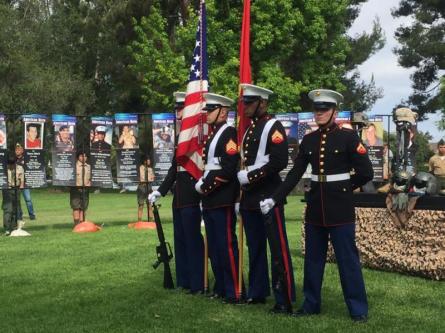
 As the daughter of a combat veteran, as the cousin of a Marine who was killed in action, and as an Irvine City Council Member, I am proud of Irvine’s commitment to honoring our veterans, especially those who made the ultimate sacrifice for our freedom.
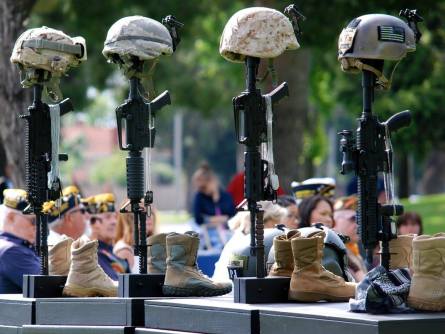 “To all our SoCal friends, it is with great sadness that we announce the City of Irvine, in keeping with the stay at home order, has CANCELED the Memorial Day Ceremony at the Northwood Gratitude and Honor Memorial.
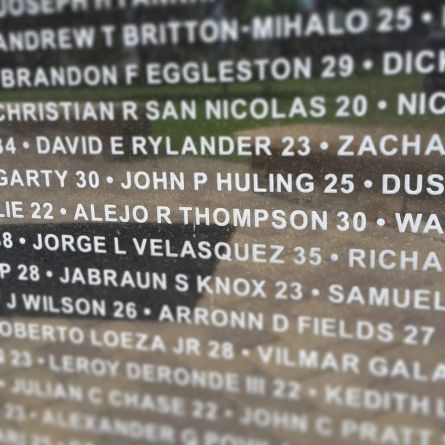
 As in past years, I will thinking especially of my cousin,
  Although we are not able to gather together physically this Memorial Day, we will be gathered together in our hearts
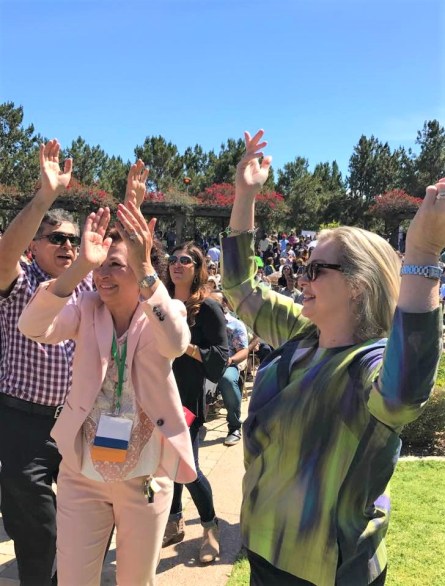 Sadly, this year’s Nowruz Festival in Irvine had to be cancelled because of the coronavirus outbreak and the need for all of us to maintain social distancing.
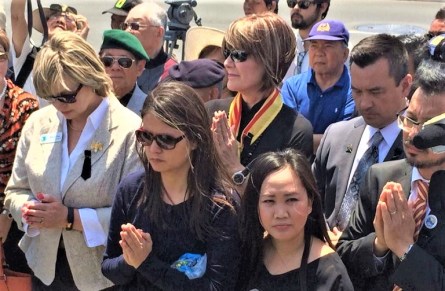
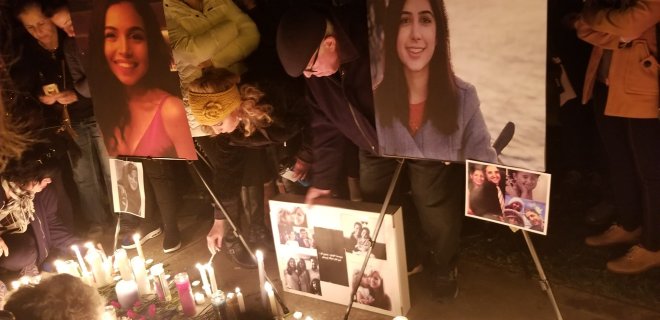 Tonight, after the pledge of allegiance, the Irvine City Council will hold a moment of silence for the 176 innocent passengers and crew who tragically lost their lives last week when Iran shot down a commercial airliner.
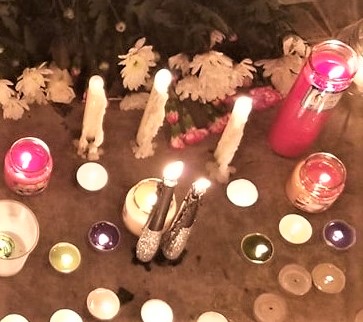 Many of the airliner’s passengers were Iranian Canadians who were affiliated with Canadian universities as students or researchers and had traveled to Iran during Christmas break.
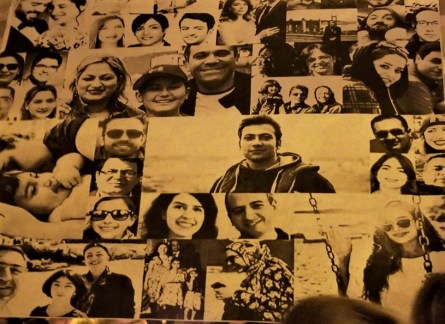 As my friend, Irvine resident, and community leader Neda Mottaghi-Movahed has said, this has been “a very sad few weeks for all of us” in the Iranian American community, which has held memorials in Irvine for those whose lives were lost.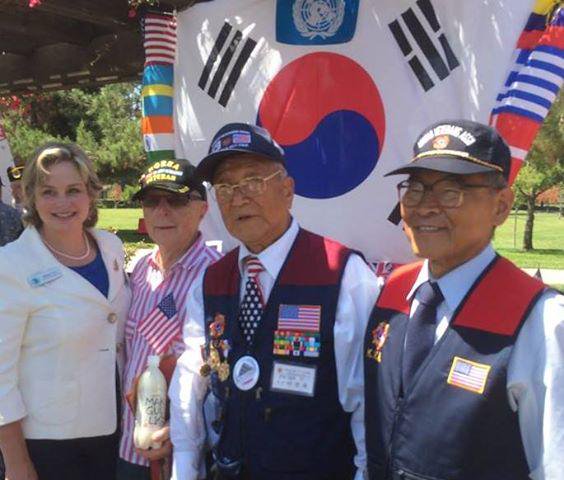
 From these humble beginnings, a large and vibrant Korean American community has grown, now numbering nearly 2 million people of Korean descent in the United States, including nearly half a million people in California.
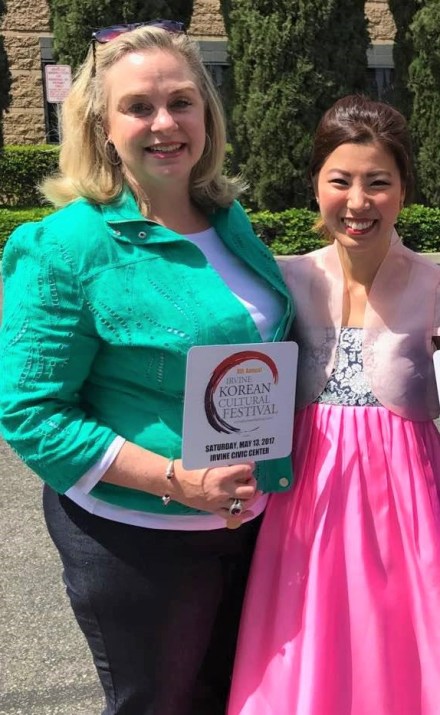 As the daughter of a Korean War combat veteran and proud recipient of the Republic of Korea
 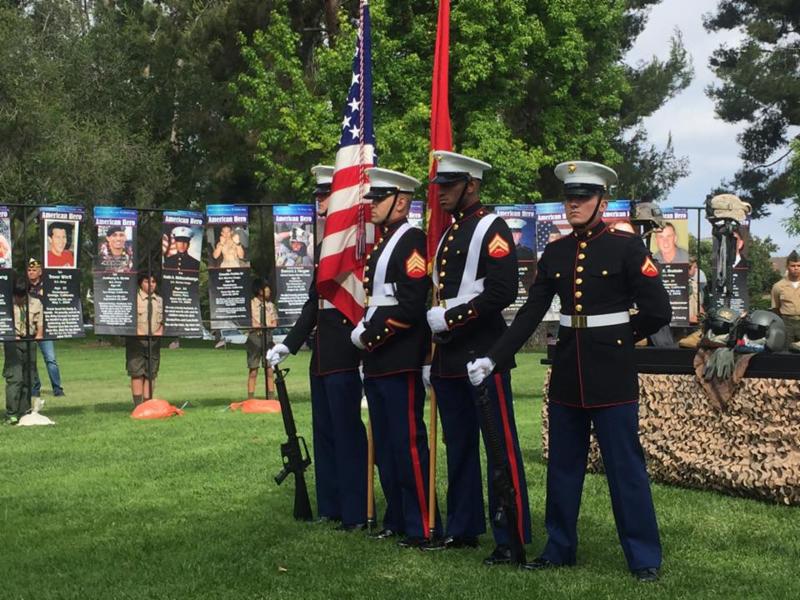 Please join me on Memorial Day weekend as we honor the brave men and women who have made the ultimate sacrifice for our nation and pays special tribute to our local service members and veterans.
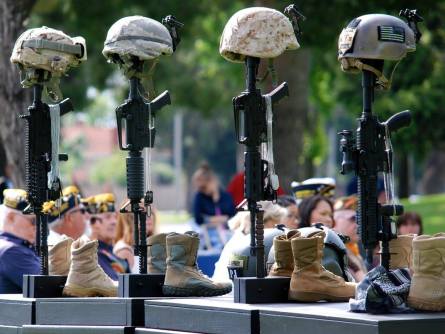 Sunday, May 26, 2018 at 4:00 p.m.
 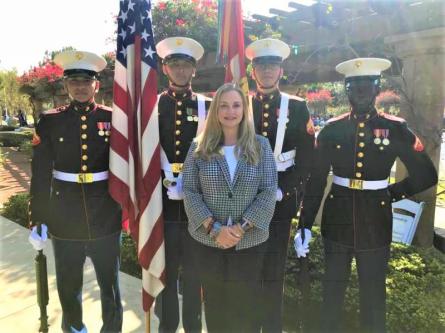 Monday, May 27, 2019 at 10:00 a.m.
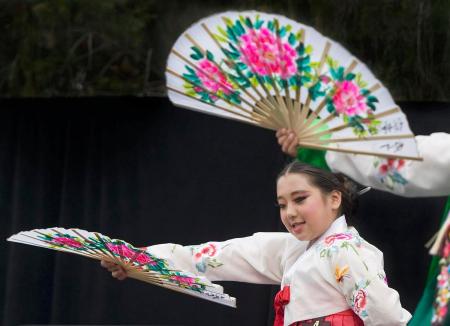
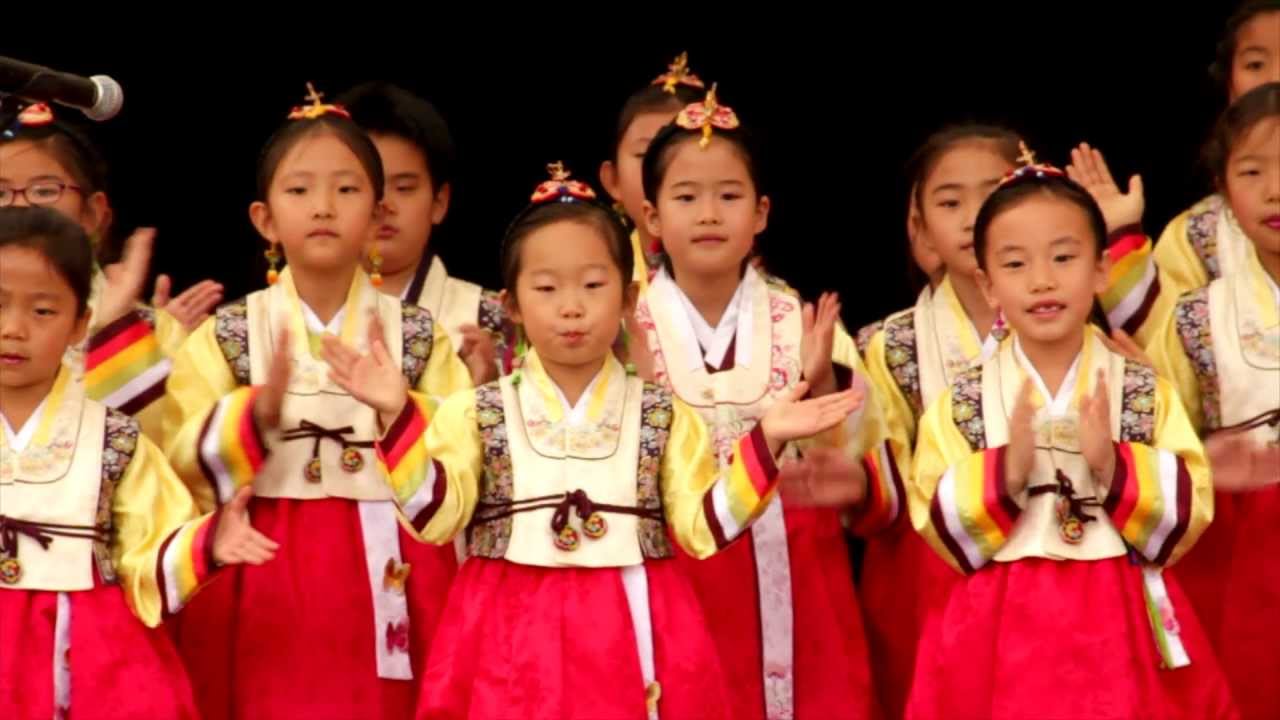
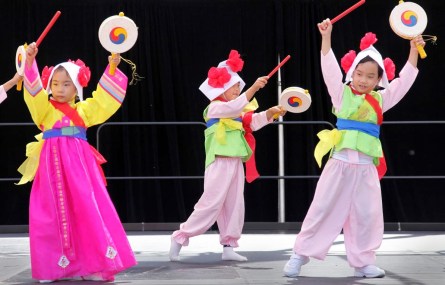 2019 marks the 10th anniversary of the Irvine Korean Cultural Festival, an event designed to celebrate and share Korean cultural heritage and artistic traditions with the broader Irvine community and Orange County.
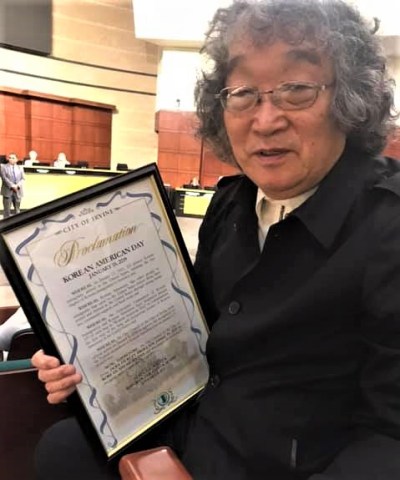
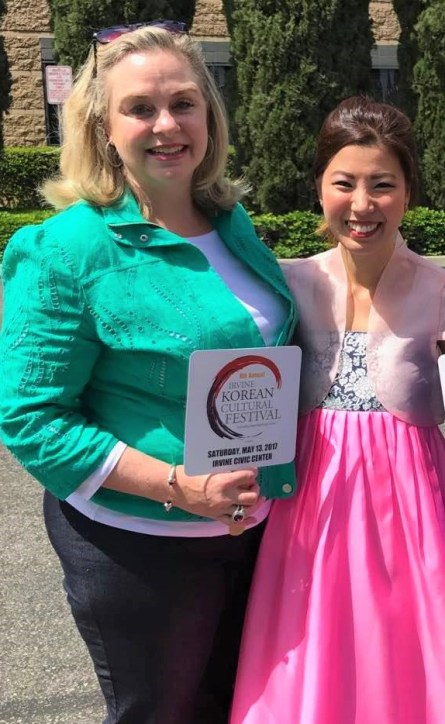 I am proud to live and serve on the City Council in a city that celebrates and treasures our Korean American community and I join my Korean American friends and neighbors in celebrating Korean American contributions to our shared American heritage and way of life.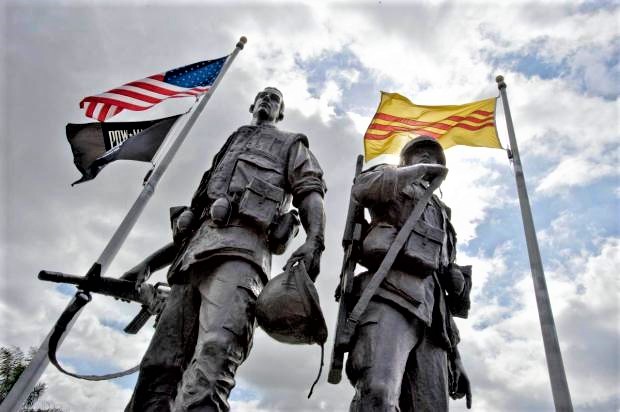
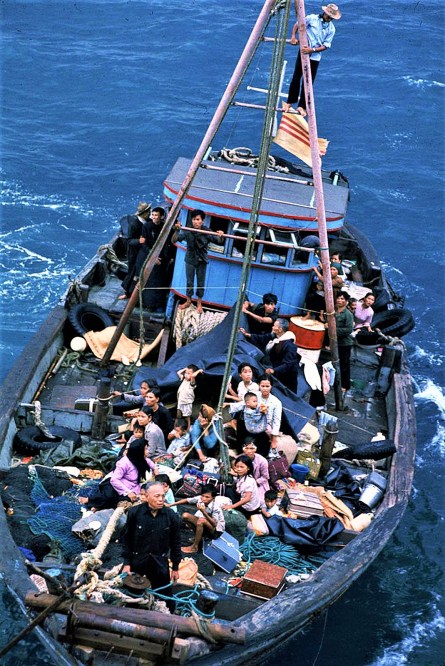
 In Irvine, we love to celebrate our many heritages. Irvine is home to more than 80 different churches, mosques, synagogues and other places of worship, serving Irvine’s wonderful cultural and religious diversity.
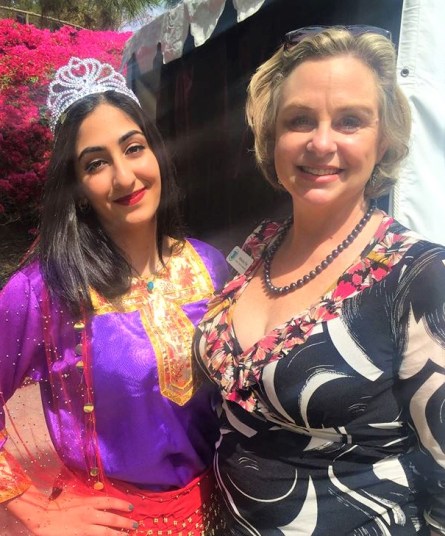 One of our biggest cultural celebrations is the annual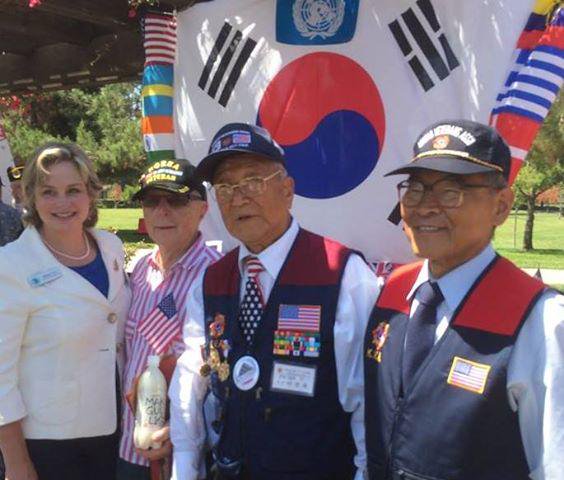
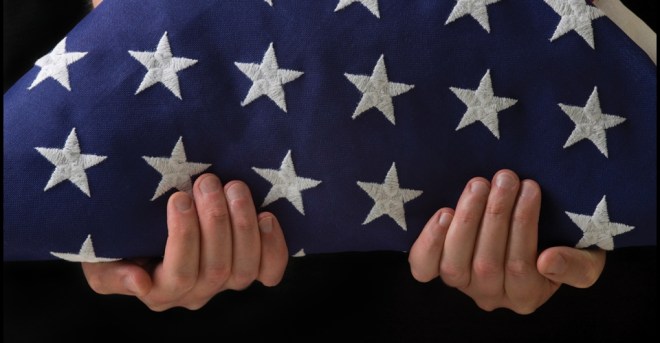
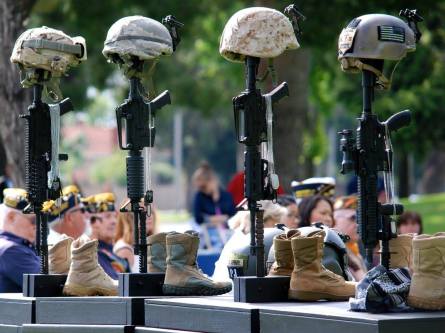 Irvine has a long and proud military tradition. From 1942 to 1999, Irvine was home to
 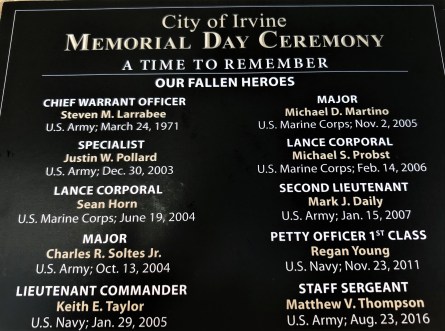 The Northwood Gratitude and Honor Memorial, dedicated in 2010, is the nation’s first and only memorial dedicated exclusively to listing the names of all the fallen American service members in Afghanistan and Iraq.
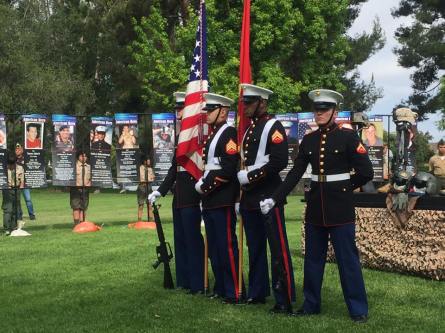 As I have done in past years, I will be filling out a memorial card for my cousin,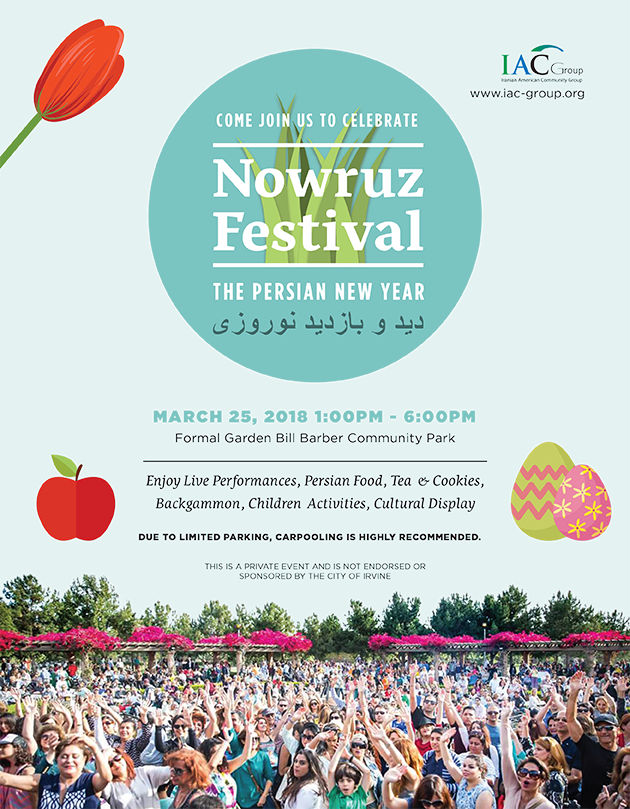
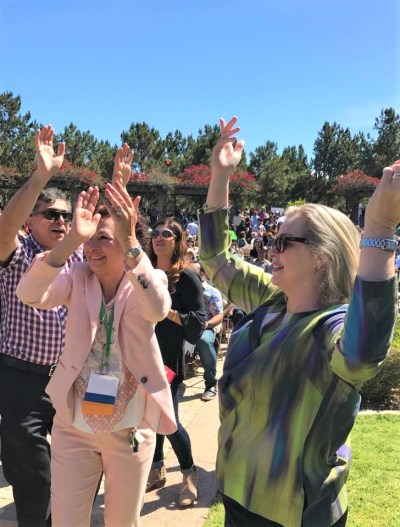 Enjoy Live Performances of Persian Music and Dancing, Persian Food, Tea & Cookies, Backgammon, and Children Activities!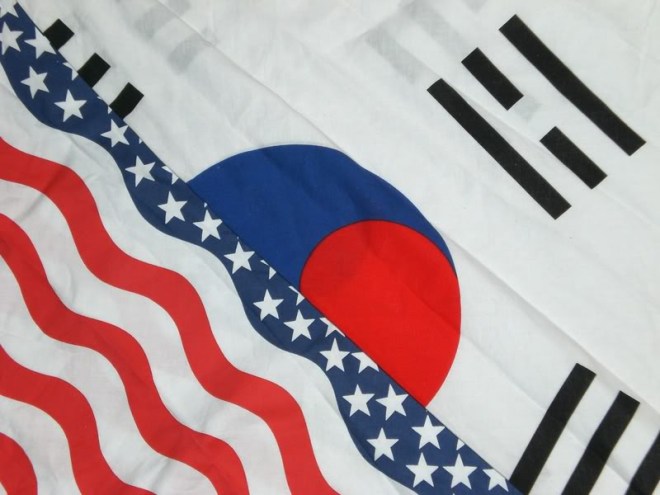


 Melissa Fox, Esq.
You must be logged in to post a comment.