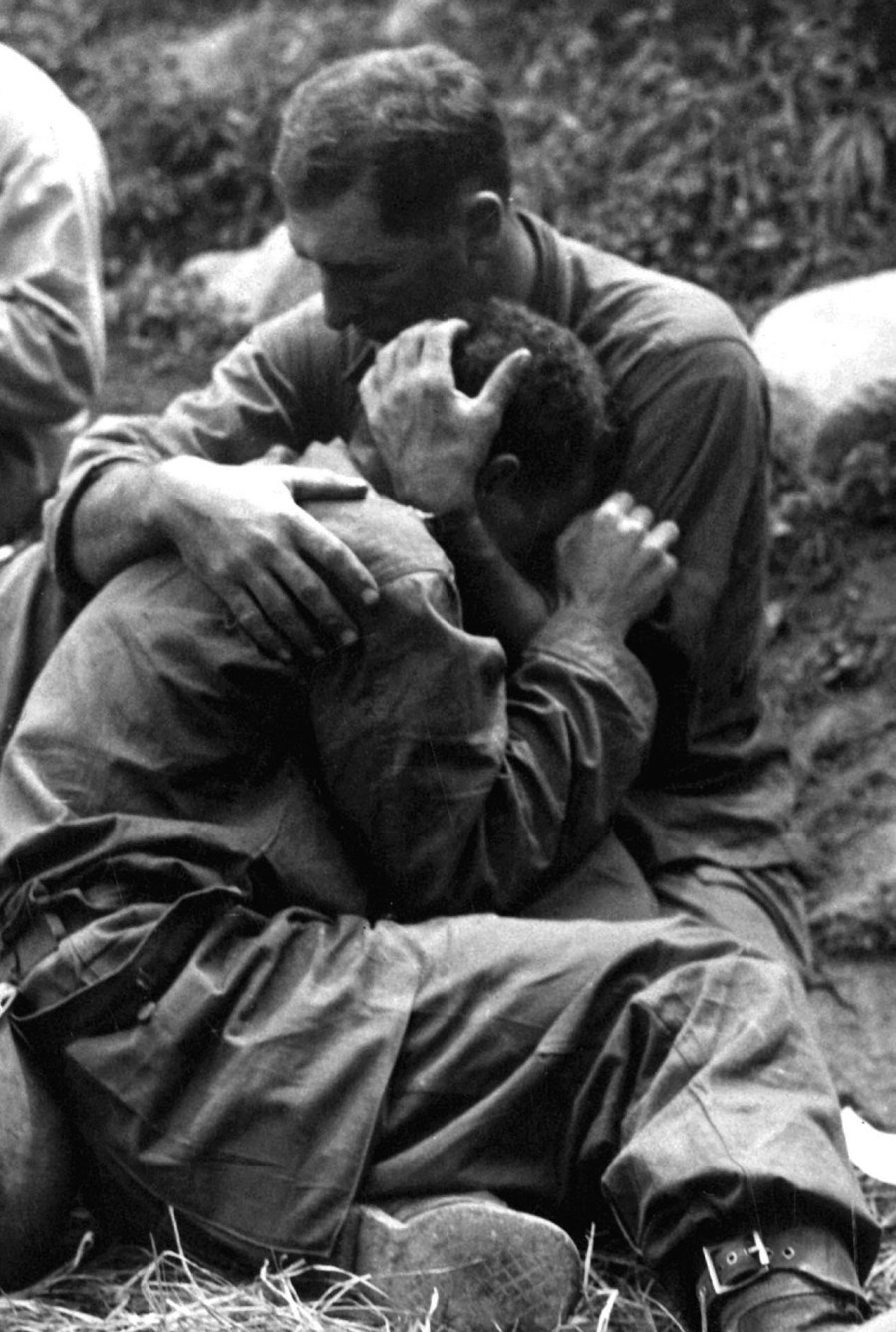
The Korean War started on this day — June 25 — seventy years ago, when when North Korea invaded South Korea. By early July, the United States had sent troops into battle against the North Koreans, who were aided by their fellow Communist ally, China.
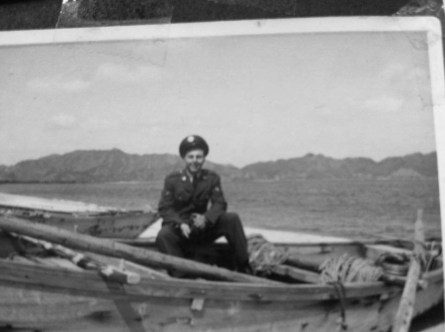
My father. Stan Kay, in Korea.
More than 36,000 Americans, 170,000 South Korean soldiers, 400,000 North Korean soldiers, 200,000 Chinese soldiers, and 2-3 million Korean civilians would die before the intense three-year conflict came to an end in an uneasy truce that has lasted to the present.
My family was deeply affected by the Korean War. My father, his brothers, and all of his male first cousins served in combat. My father’s cousin PFC Irwin Handler, USMC, was 20 years old when he killed in action on December 5, 1950, at the Battle of Chosin Reservoir. My father served in the U.S. Air Force, flying combat missions as the bombardier on a B-26 Invader. He lost most of his hearing.
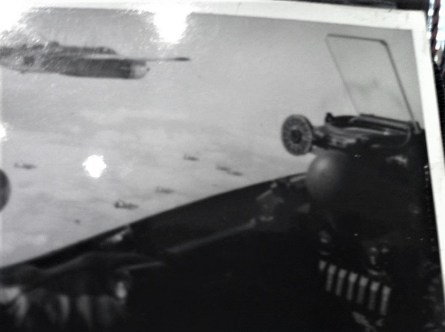
Photo taken by my father during a bombing mission.
Long called “The Forgotten War,” news of the Korean War was censored at the time, and decades later its memory is far overshadowed in public consciousness by World War II and the Vietnam War.
It was not until July 1995, 42 years after the end of the war, that a memorial was finally dedicated in Washington, D.C., to those who served.
But my father and his family have never forgotten those who suffered and died fighting for Korea’s freedom, nor have the millions of Koreans and Korean-Americans whose lives and families were shaped, in part, by those three very bloody years of war.
Let us remember and honor their bravery and sacrifice today and always, as we continue to pray for a Korea that is united and free.
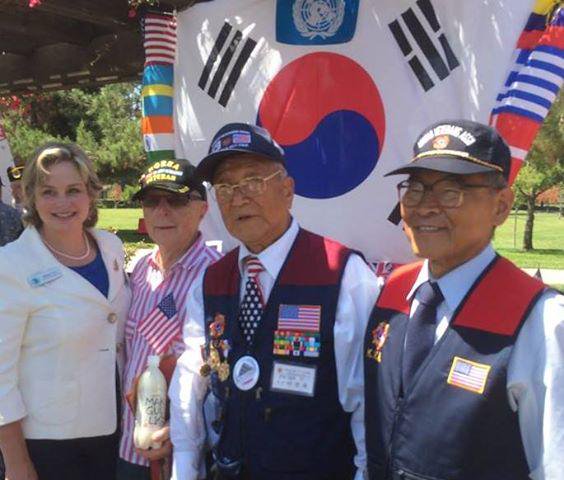
 From these humble beginnings, a large and vibrant Korean American community has grown, now numbering nearly 2 million people of Korean descent in the United States, including nearly half a million people in California.
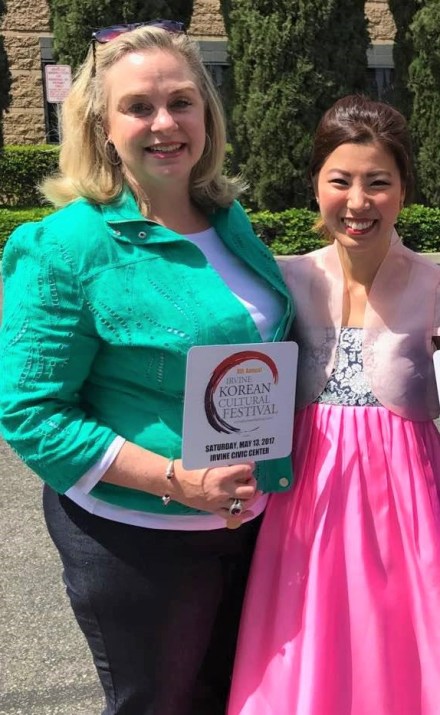 As the daughter of a Korean War combat veteran and proud recipient of the Republic of Korea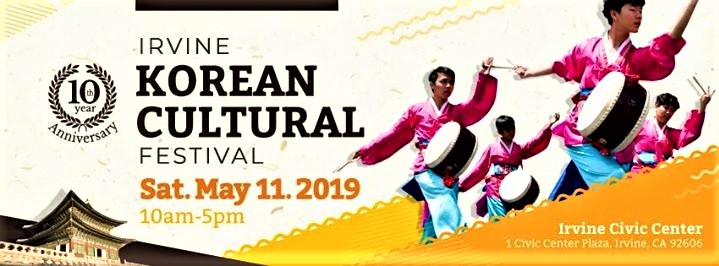
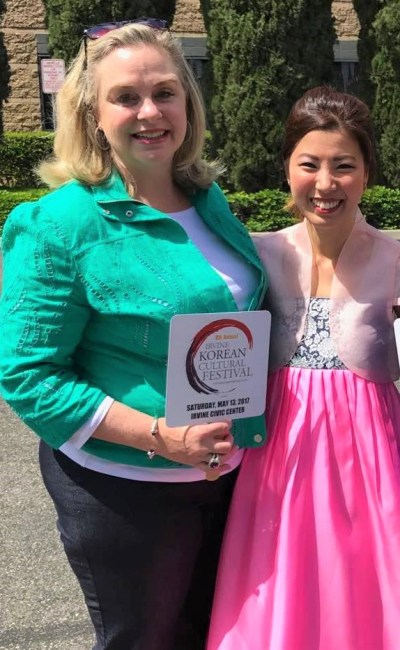
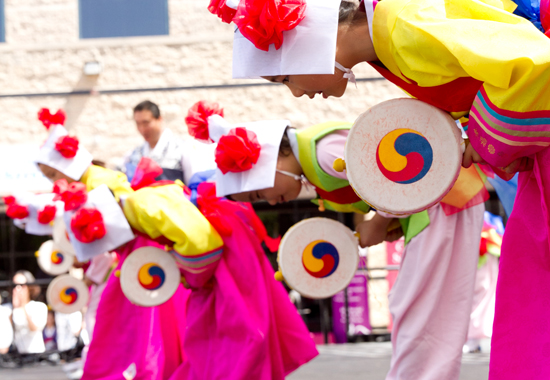
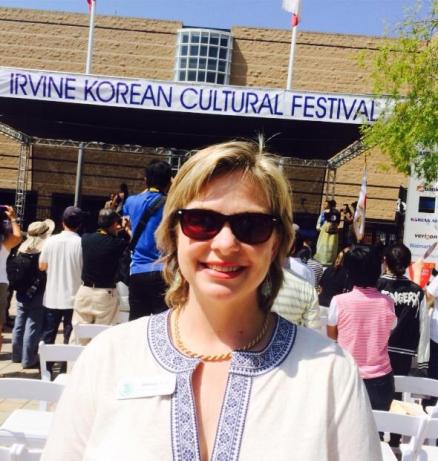
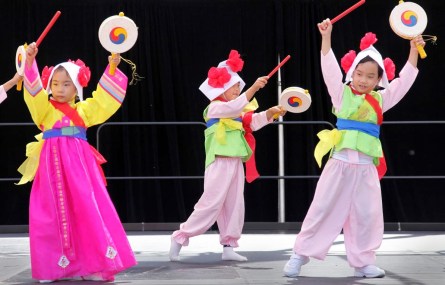 2019 marks the 10th anniversary of the Irvine Korean Cultural Festival, an event designed to celebrate and share Korean cultural heritage and artistic traditions with the broader Irvine community and Orange County.
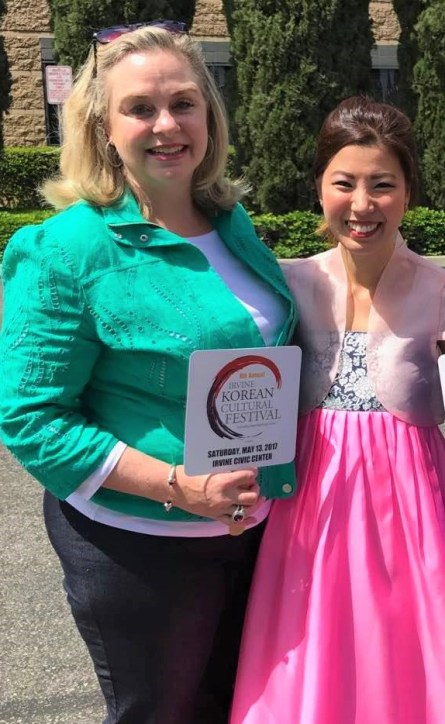 I am proud to live and serve on the City Council in a city that celebrates and treasures our Korean American community and I join my Korean American friends and neighbors in celebrating Korean American contributions to our shared American heritage and way of life.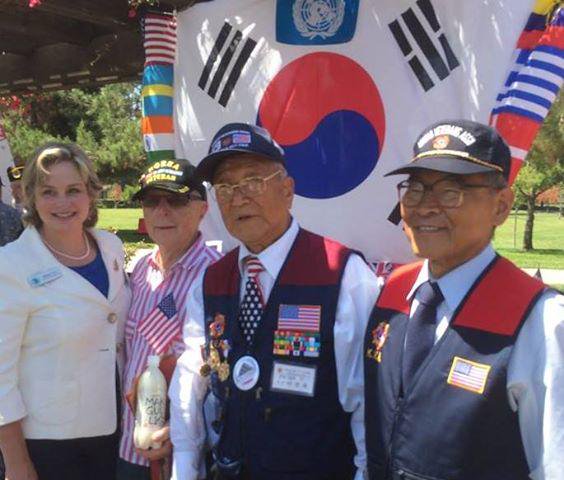
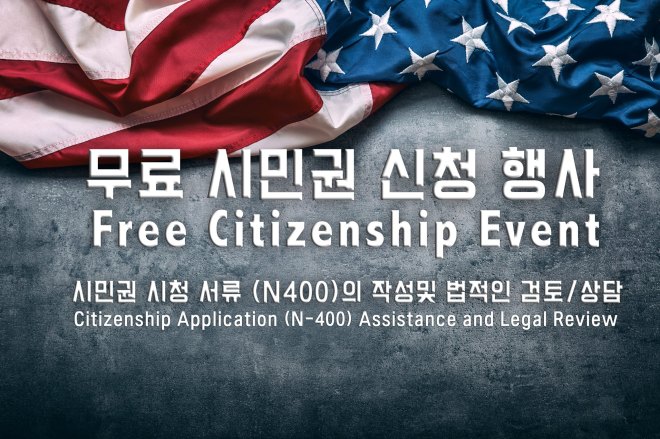
 시민권 신청 서류 (N400) 의 작성및 법적인 검토/상담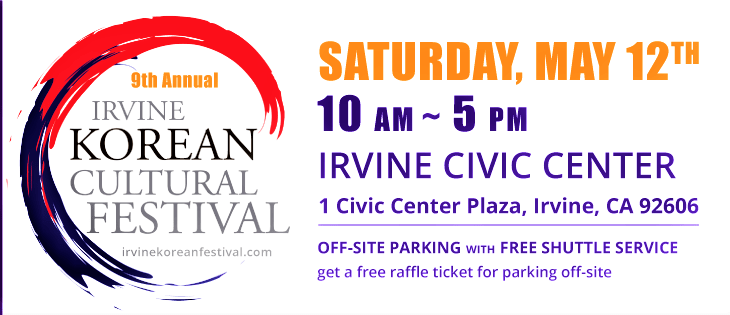
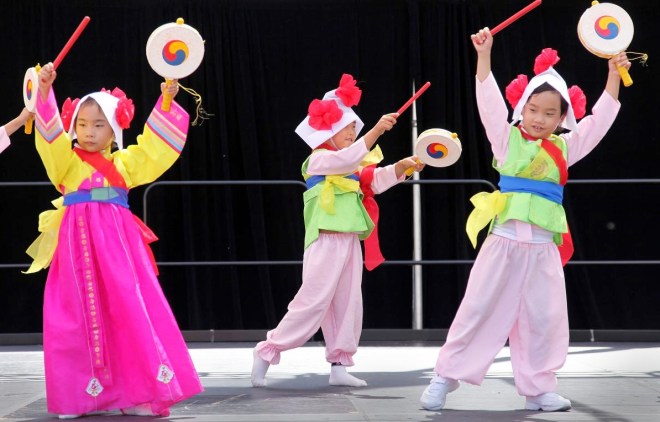
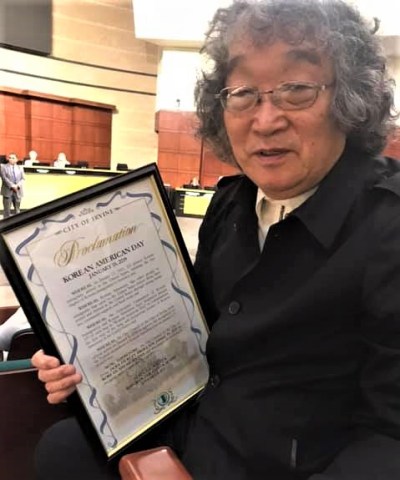
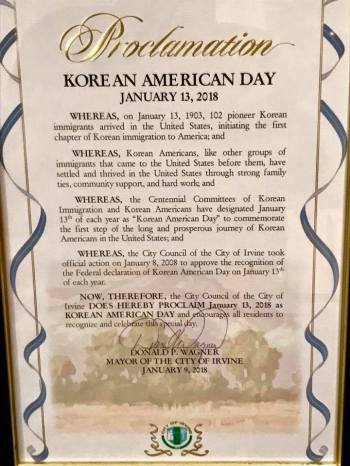 At our City Council meeting on Tuesday, January 9, we issued a Korean-American Day Proclamation, celebrating “the long and prosperous journey of Korean Americans in the United States” due to their “strong family ties, community support, and hard work.” Accepting the proclamation on behalf of the Korean American community were a number of Irvine Korean American civic leaders, including my friend and appointee to the Irvine Senior Council, Juneu Kim.
 From these humble beginnings, a large and vibrant Korean American community has grown, now numbering nearly 2 million people of Korean descent in the United States, including nearly half a million people in California.
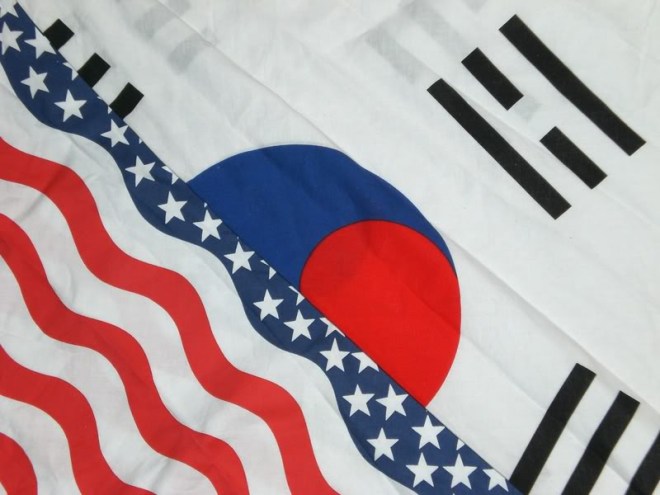
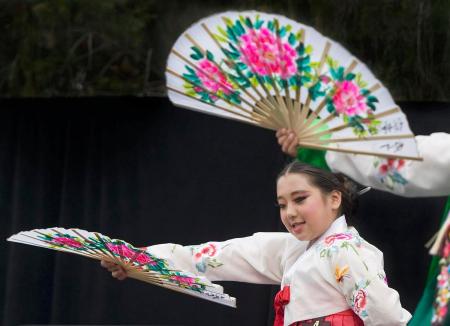
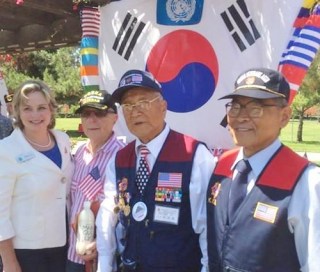 On January 13, 1903, a group of 102 Koreans arrived in Honolulu from Japan aboard the steamship RMS Gaelic to work in the Hawaiian sugar cane fields. This date is traditionally regarded as marking the first Korean immigration to the United States and celebrated as Korean American Day, although several individual Koreans had immigrated to the United States earlier, including Philip Jaisohn (Seo Jae-pil), a journalist and medical doctor and a noted champion for Korea’s independence and democracy, who in 1890 became the first Korean to become a naturalized U.S. citizen.
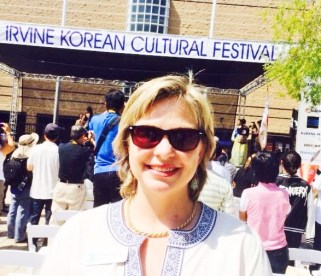 Irvine is proud to celebrate our thriving Korean American community. Each year Irvine holds our annual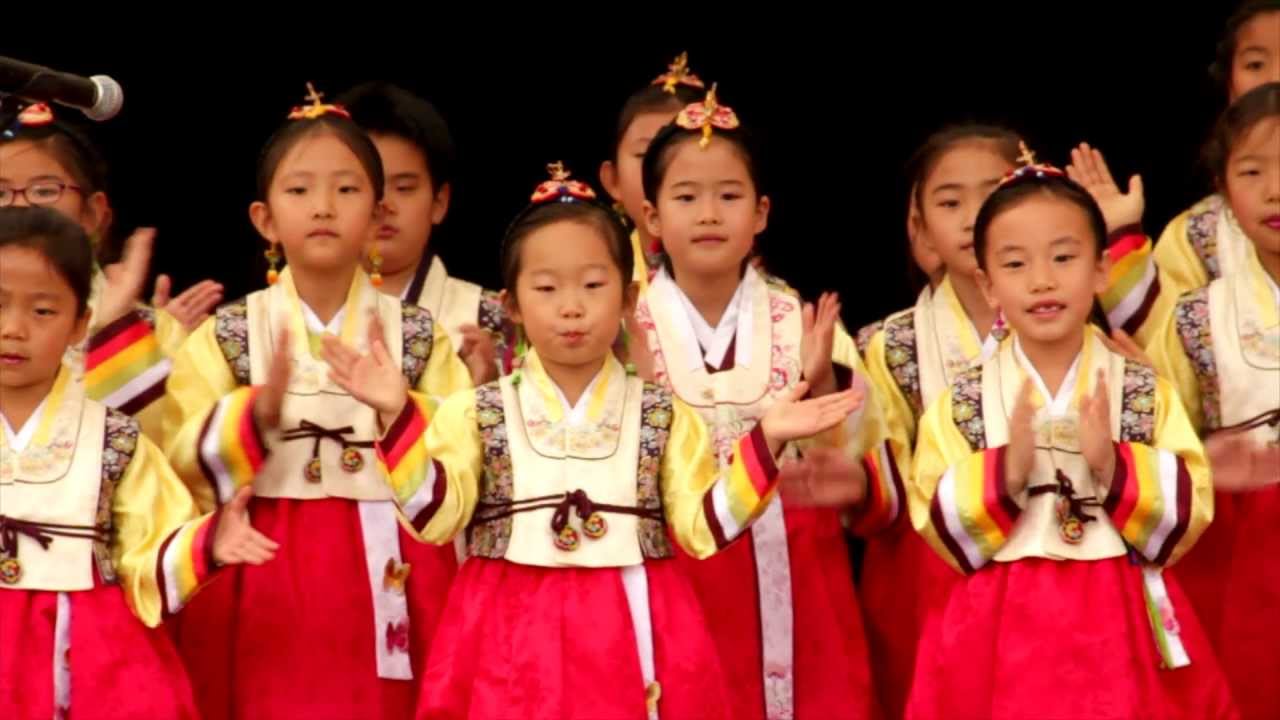
 Melissa Fox, Esq.
You must be logged in to post a comment.