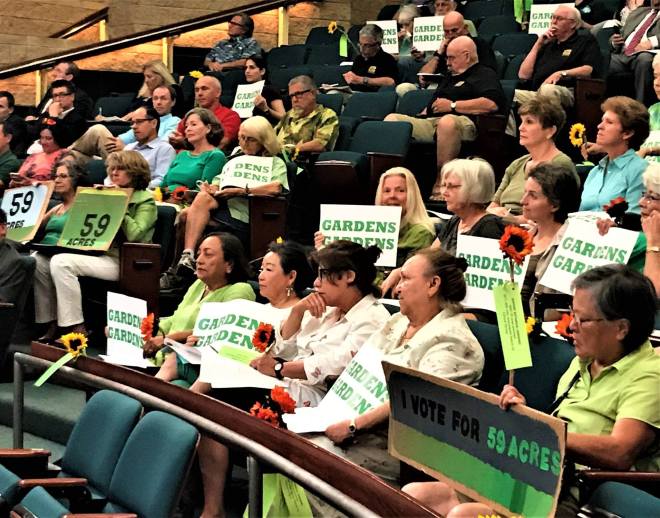
 If you’re a supporter of botanical gardens in the Orange County Great Park, please attend the important Great Park Board Meeting on Tues., October 22, 2019, at 1:00 p.m. in the Irvine City Council Chambers.
This meeting is scheduled to include a development status update and accounting of projects currently proposed in the Orange County Great Park.
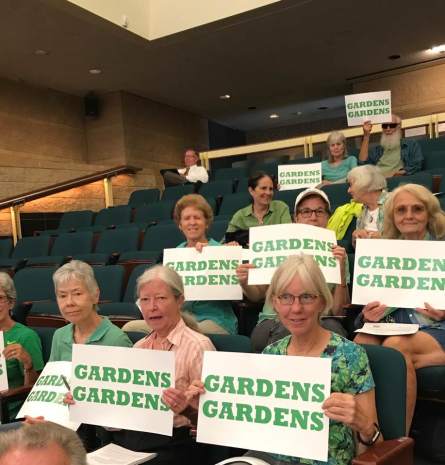 Of special concern to supporters of Great Park Botanical Gardens is the fact that there is no funding or acreage currently allotted or proposed for a botanical gardens.
You can read the Great Park Board Meeting agenda HERE.
You can read the staff report on Great Park development HERE.
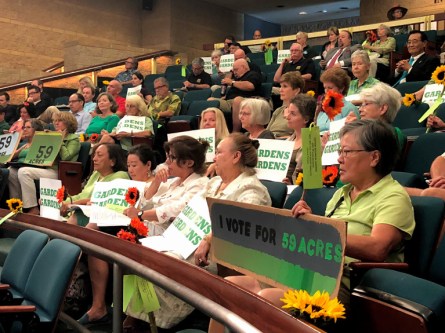
It is crucial that supporters of a Great Park Botanical Gardens show up to the meeting and make your voices heard!
I have long been a strong advocate for botanical gardens and museums in the Great Park’s Cultural Terrace. Every survey we’ve done has shown that gardens are among amenities that people most want in the Great Park. The Orange County Register reported that “Gardens were among the most popular features in the surveys, according to the city staff report. Eighty-two percent of Orange County residents said they are at least somewhat interested in having botanical gardens at the Great Park, when they were asked specifically about the feature.”
I agree with the Great Park Garden Coalition that “We need places where children can experience nature and explore, where all can find refuge from the ever-increasing urban density and traffic, where people of all ages and abilities can experience beautiful outdoor spaces. All great urban parks have great garden spaces: Golden Gate Park, Central Park, Balboa Park.”
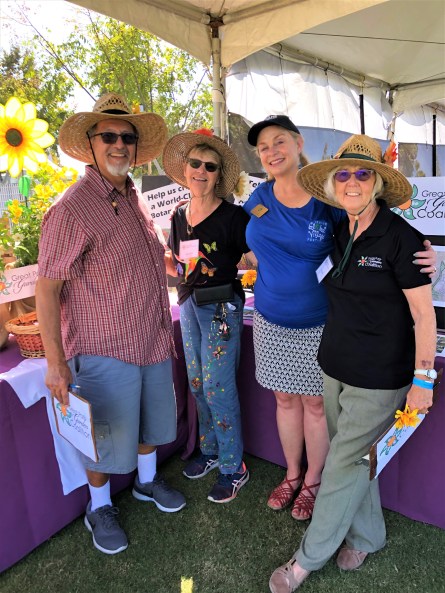 I also continue to agree with what Joyce Mann wrote in the Voice of OC in 2017: “Gardens are an inclusive, a-political opportunity to bring community together for generations. They are a public benefit that becomes a lasting legacy. Besides being beautiful to look at, education is fundamental to the mission of botanical gardens. Through them, we have an opportunity to teach students of all ages about developing environmental awareness and to learn about plant science, gardening and the ecology of our local forests, rivers and wetlands. Botanical gardens become a living plant museum that will inform visitors about the importance and often-irreplaceable value of plants to the well-being of humans and to the earth’s fragile ecosystems. Isn’t that the very definition of a legacy?”
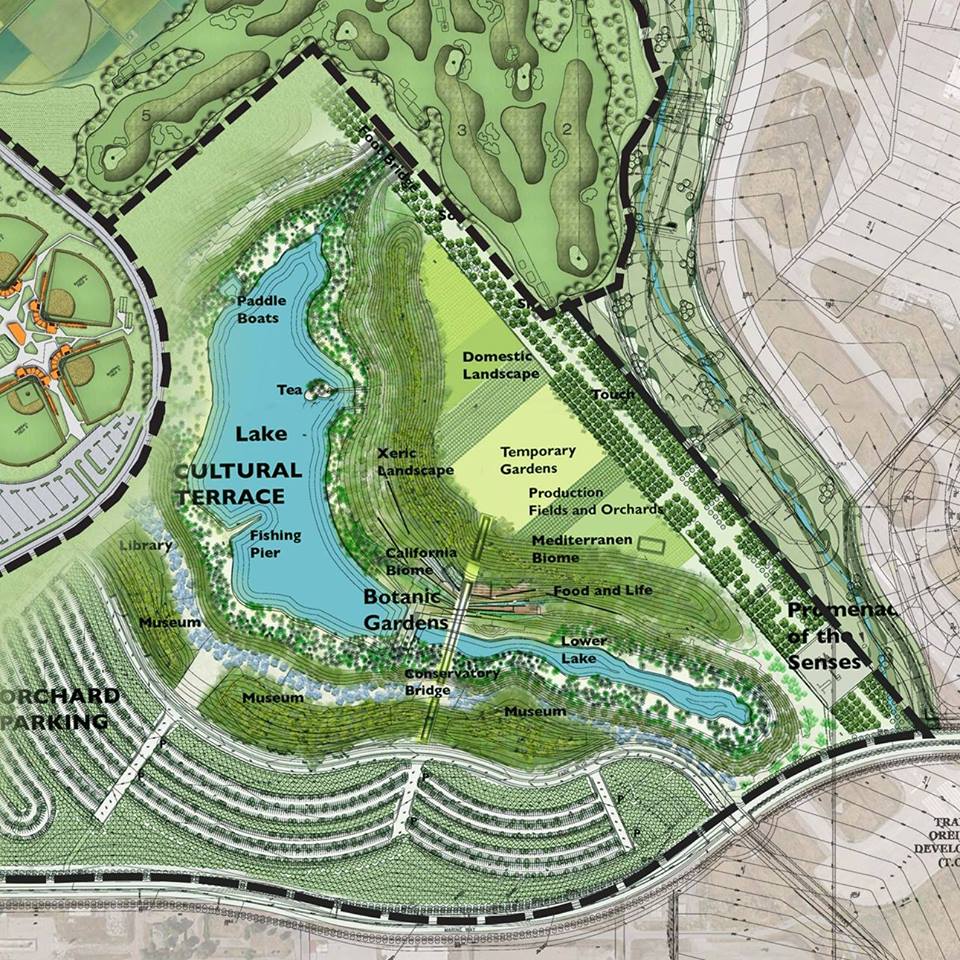
My top priorities for the Great Park Cultural Terrace are a world-class Botanical Gardens and a California Natural History Museum. I want them moving forward without any more unnecessary delays or unnecessary layers of bureaucracy. I will continue to fight for them until they are a reality.
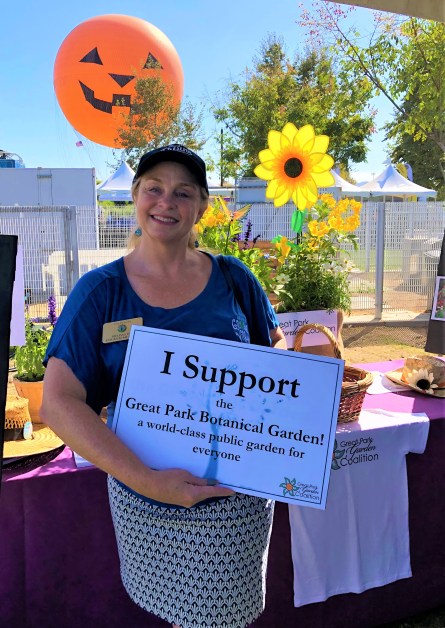 I appreciate that gardens and museums are not necessarily revenue-producing amenities. But as reported in OC Weekly, “Great Park Director/City Councilwoman Melissa Fox said that, ‘I will also insist that we follow the recommendations of residents and build world-class botanical gardens, museums and a lake to make Irvine the home of a truly Great Park.’ But most heartening, on May 22, Fox pushed back on the notion that everything in the Cultural Terrace must generate a lot of revenue. ‘The Cultural Terrace is the Cultural Terrace,’ she told Irvine planners and consultants at the Great Park board meeting. ‘Not the Commercial Terrace.'”
Please show up at our meeting at 1:00 p.m. on Tues., October 22, 2019, and give voice to the strong community support for a Great Park Botanical Gardens!
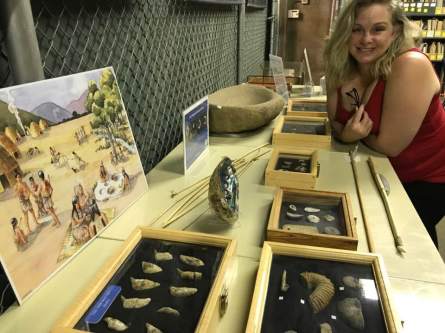 The Great Park should also include a world-class natural history museum.
 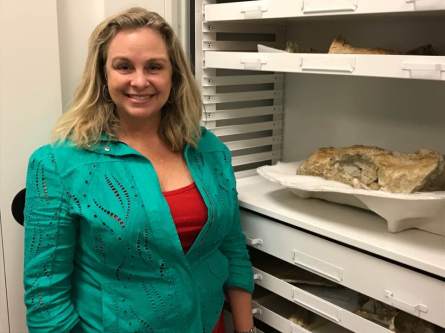 manufacture. Some of the artifact types recovered from these sites include cogstones, metates and manos, mortars and pestles, shell beads, hammerstones, projectile points, scrapers, incised stone and pottery sherds. Historical artifacts from the last century include glass bottles and toys. The artifacts held by the Cooper Center are the most extensive collection of Orange County history and prehistory anywhere and they provide archaeologists with a comprehensive view of what life was like in Orange County.
 Melissa Fox, Esq.
You must be logged in to post a comment.