
Last week, California Governor Gavin Newsom signed into law new first-in-the-nation legislation that could dramatically reduce prescription drug prices for all Californians.
The legislaton allows the State of California to create its own drug label, Cal Rx, and to produce and distribute its own line of biosimilars, biosimilar insulins, and generic drugs, with the aim of improving access for consumers and lowering prices.
The California Health and Human Services Agency (CHHS) is now authorized to develop manufacturing partnerships to produce or distribute generic prescription drugs, making essential medications affordable and accessible to more patients. It will also inject much needed competition into near monopoly markets that have driven up prices for consumers and help end sometimes critical drug shortages.
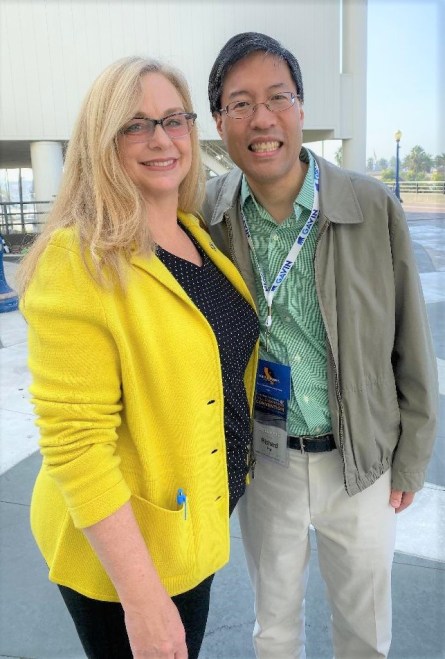
Councilmember Melissa Fox and Senator Richard Pan
Because precription drug prices are one of the largest drivers of rising health care costs, this new legislation will also reduce the overall cost of health care.
As Governor Newsom said in advocating for the new law, “Prescription drug prices are too high. I’m proposing that California become the first state in the nation to establish its own generic drug label. It’s time to take the power out of the hands of greedy pharmaceutical companies.”
Governor Newsom further noted, “The cost of health care is way too high. Our bill will help inject competition back into the generic drug marketplace – taking pricing power away from big pharmaceutical companies and returning it to consumers. California is using our market power and our moral power to demand fairer prices for prescription drugs. I am proud to sign this legislation affirming our ground-breaking leadership in breaking down market barriers to affordable prescription drugs.”
As the legislation’s principle author, Dr. (and State Senator) Richard Pan, pointed out, “Prescription drugs don’t work if people cannot afford to take them. We need to ensure that Californians will be able to have access to a reliable supply of affordable generic medications. The state can play a pivotal role in bringing prices down through this authority to negotiate a steady supply for all purchasers and an increase of competition in the drug markets,” He added that the new legislation to open up access to affordable drugs for millions of Californians “is more important than ever, as the COVID-19 crisis brought to light glaring gaps in supplies of essential, lifesaving drugs, and medical equipment and supplies.”
I strongly support this new and innovative approach to lowering precsription drug prices, making critical presciption medicine and health care more available as well as more affordable.
In contrast, my opponent in Assembly District 68, Steven Choi, refused to support this important legislation and did not even vote on this bill.
His campaign has received tens of thousands of dollars from the pharmaceutical and medical industries and their political action committies. In addition, according to his legally required Statements of Economic Interests filed with the California Fair Political Practices Commission, Choi holds substantial investments in numerous pharmaceutical companies, including Pfizer, Sanofi, Johnson &Johnson, GlaxoSmith-Kline, Celgene, and Novo Nordisk, so that he personally profits from high presciption drug prices.
Unlike Steven Choi, I’ll be part of the solution to the high cost of prescription drugs, not part of — or profit from — the problem.
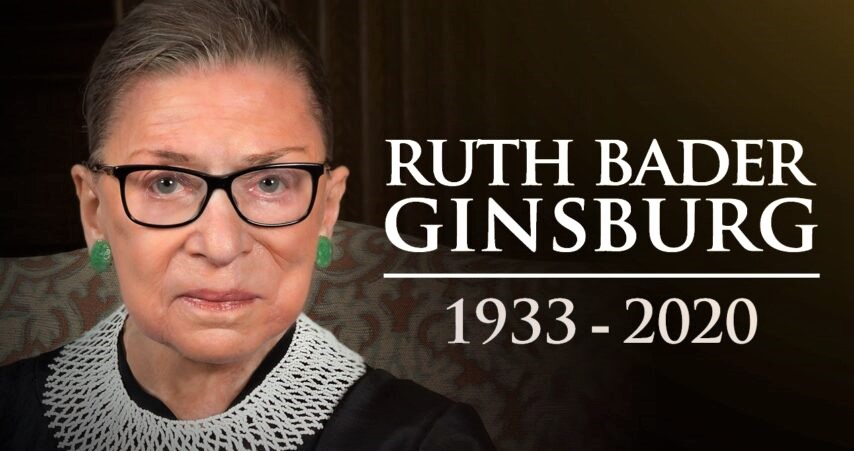 I was having dinner with my family to celebrate the Jewish New Year when I learned that Supreme Court Justice Ruth Bader Ginsburg had died. As my friend Lauren Johnson Norris posted on Facebook, “According to Jewish tradition, a person who dies on Rosh Hashanah, which began tonight, is a tzaddik, a person of great righteousness. We found that very comforting. So strange to be eating these apples and honey with this sadness.”
 Salt water next to our apples and honey.
 The LA Times has
  These constraints include prohibitions on abortion (even in cases of sexual assault), sterilization procedures such as tubal ligations, provision of contraceptives, counseling patients about contraception and abortion, fertility treatments, use of egg or sperm donor outside of a heterosexual married couple, use of a gestational surrogate, use of fetal tissue, the provision of medical or surgical gender-affirming services for transgender people such as hysterectomy or mastectomy for transgender men, and physician assisted suicide or aid-in-dying.
 Unfortunately, the group failed to reach agreement on whether the University should subject its employees, faculty, and students to religious and non-scientific prohibitions in their medical care.
 Here is my press release:
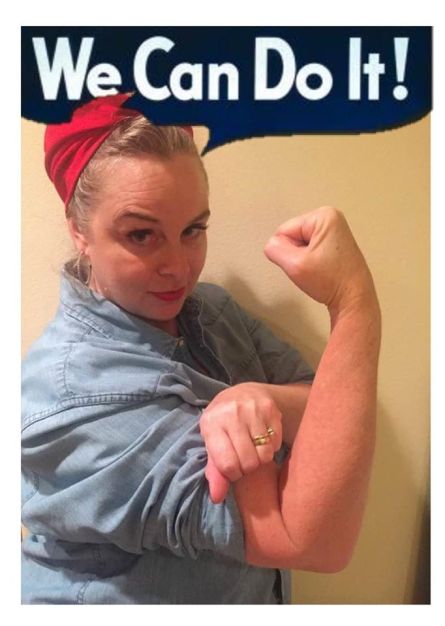 Even before women had secured the right to vote, we were at the forefront in calling for social change to protect the most vulnerable members of our society, especially children, the sick, and the elderly.
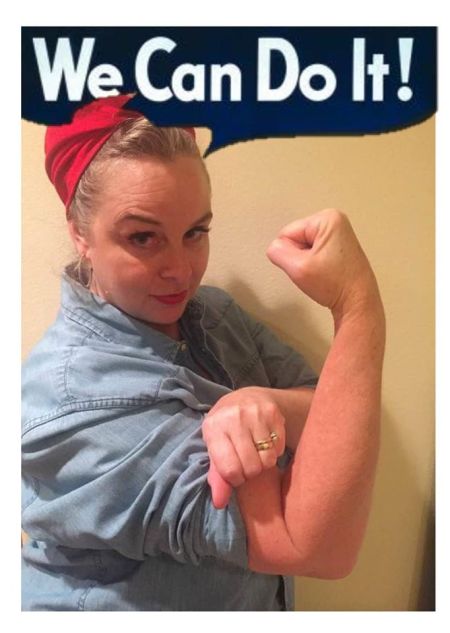 We’ve come a long way, but much more needs to be done!
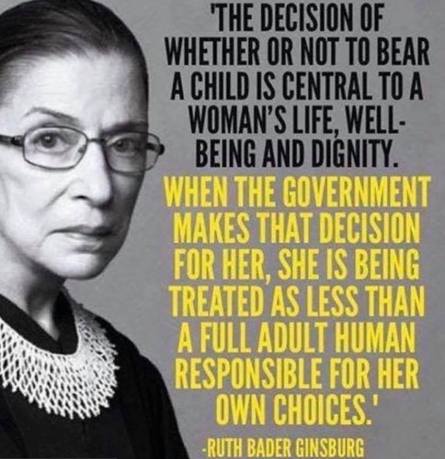
 The question of what a woman should do when she is pregnant but does not want to raise a child is extremely personal for me.
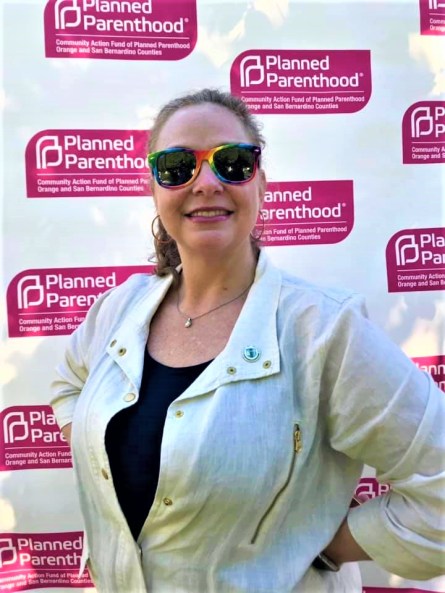 Just a few months before I was born, California Governor Ronald Reagan signed the “
 Melissa Fox, Esq.
You must be logged in to post a comment.