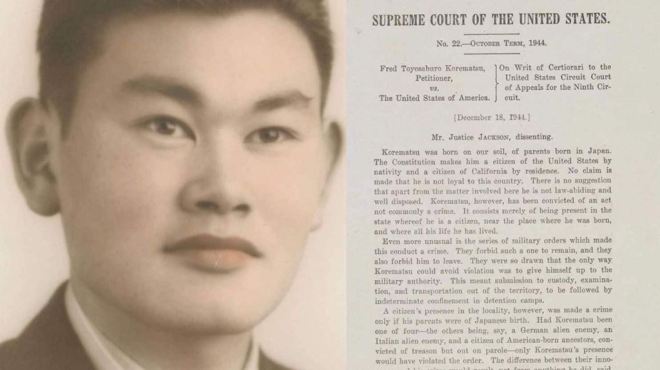
“If you have the feeling that something is wrong, don’t be afraid to speak up.” — Fred T. Korematsu (1919-2005)
Fred Korematsu, a Californian who challenged the constitutionality of the internment of Japanese Americans during the Second World War, was born 101 years ago on January 30, 1919.
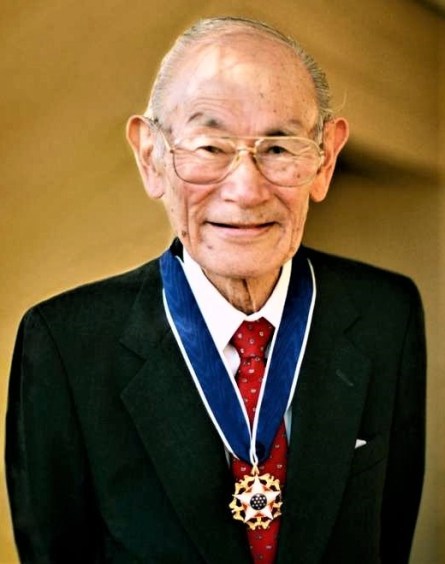 Although Koresatsu lost his case in 1944, his fight against racism and for justice has been vindicated by history.
This week, Governor Gavin Newsom today issued a proclamation declaring January 30th as Fred Korematsu Day in the State of California.
Fred Toyosaburo Korematsu was born in Oakland, California, on January 30, 1919, the third of four sons to Japanese-American parents Kakusaburo Korematsu and Kotsui Aoki, who immigrated to the United States in 1905. He attended public schools, participated in the Castlemont High School (Oakland, California) tennis and swim teams, and worked in his family’s flower nursery in nearby San Leandro, California.
When called for military duty under the Selective Training and Service Act of 1940, Korematsu was rejected by the U.S. Navy due to stomach ulcers. Instead, he trained to become a welder in order to contribute his services to the defense effort. First, he worked as a welder at a shipyard. He went in one day to find his timecard missing; his coworkers hastily explained to him that he was Japanese so therefore he was not allowed to work there. He then found a new job, but was fired after a week when his supervisor returned from an extended vacation to find him working there. Because of his Japanese descent, Korematsu lost all employment completely following the attack on Pearl Harbor.
On March 27, 1942, General John L. DeWitt, commander of the Western Defense Area, prohibited Japanese Americans from leaving the limits of Military Area No. 1, in preparation for their eventual evacuation to internment camps. Korematsu underwent plastic surgery on his eyelids in an unsuccessful attempt to pass as a Caucasian, changed his name to Clyde Sarah[13][14] and claimed to be of Spanish and Hawaiian heritage.
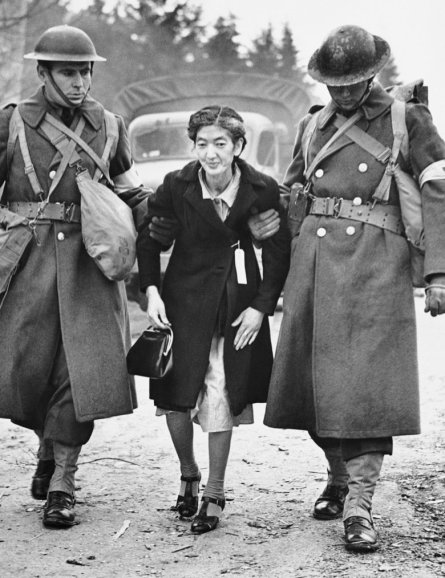 On May 3, 1942, when General DeWitt ordered Japanese Americans to report on May 9 to Assembly Centers as a prelude to being removed to the internment camps, Korematsu refused and went into hiding in the Oakland area. He was arrested on a street corner in San Leandro on May 30, 1942. Shortly after Korematsu’s arrest, Ernest Besig, the director of the American Civil Liberties Union in northern California, asked him whether he would be willing to use his case to test the legality of the Japanese American internment. Korematsu agreed.
Korematsu felt that “people should have a fair trial and a chance to defend their loyalty at court in a democratic way, because in this situation, people were placed in imprisonment without any fair trial.” On June 12, 1942, Korematsu had his trial date and was given $5,000 bail (equivalent to $76,670.06 in 2018). After Korematsu’s arraignment on June 18, 1942, Besig posted bail and he and Korematsu attempted to leave. When met by military police, Besig told Korematsu to go with them. The military police took Korematsu to the Presidio. Korematsu was tried and convicted in federal court on September 8, 1942, for a violation of Public Law No. 503, which criminalized the violations of military orders issued under the authority of Executive Order 9066, and was placed on five years’ probation.
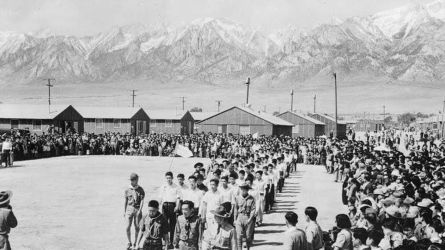
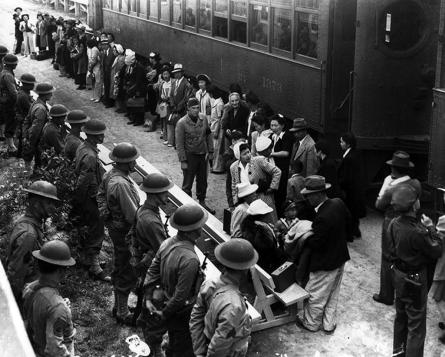 He was taken from the courtroom and returned to the Tanforan Assembly Center, and thereafter he and his family were placed in the Central Utah War Relocation Center in Topaz, Utah. As an unskilled laborer, he was eligible to receive only $12 per month (equivalent to $184.01 in 2018) for working eight-hour days at the camp. He was placed in a horse stall with a single light bulb, and later said “jail was better than this.”
When Korematsu’s family was moved to the Topaz internment camp, he later recalled feeling isolated because his imprisoned compatriots recognized him and many, if not most, of them felt that if they talked to him they would also be seen as troublemakers.
Korematsu then appealed to the U.S. Court of Appeals, which granted review on March 27, 1943, but upheld the original verdict on January 7, 1944. He appealed again and brought his case to the United States Supreme Court, which granted review on March 27, 1944. On December 18, 1944, the Court issued Korematsu v. United States, a 6–3 decision authored by Justice Hugo Black, in which the Court held that compulsory exclusion, though constitutionally suspect, was justified during circumstances of “emergency and peril.”
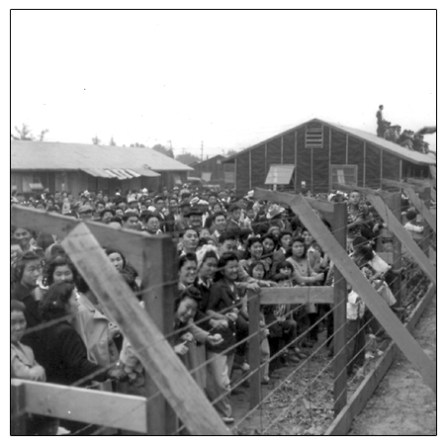 Dissenting Justice Frank Murphy criticized what he called a “legalization of racism.” Justice Murphy added: “Racial discrimination in any form and in any degree has no justifiable part whatever in our democratic way of life. It is unattractive in any setting, but it is utterly revolting among a free people who have embraced the principles set forth in the Constitution of the United States. All residents of this nation are kin in some way by blood or culture to a foreign land. Yet they are primarily and necessarily a part of the new and distinct civilization of the United States. They must, accordingly, be treated at all times as the heirs of the American experiment, and as entitled to all the rights and freedoms guaranteed by the Constitution.”
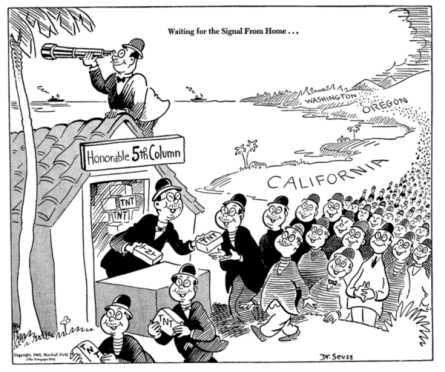
1942 editorial cartoon by Theodor Seuss Geisel (later author Dr. Seuss) depicting Japanese-Americans on the West Coast as prepared to conduct sabotage against the US.
Dissenting Justice Robert H. Jackson, who later served as Chief US Prosecutor at the Nuremberg Trials, wrote that “Korematsu was born on our soil, of parents born in Japan. The Constitution makes him a citizen of the United States by nativity and a citizen of California by residence. No claim is made that he is not loyal to this country. There is no suggestion that apart from the matter involved here he is not law abiding and well disposed. Korematsu, however, has been convicted of an act not commonly a crime. It consists merely of being present in the state whereof he is a citizen, near the place where he was born, and where all his life he has lived. […] [H]is crime would result, not from anything he did, said, or thought, different than they, but only in that he was born of different racial stock. Now, if any fundamental assumption underlies our system, it is that guilt is personal and not inheritable. Even if all of one’s antecedents had been convicted of treason, the Constitution forbids its penalties to be visited upon him. But here is an attempt to make an otherwise innocent act a crime merely because this prisoner is the son of parents as to whom he had no choice, and belongs to a race from which there is no way to resign.”
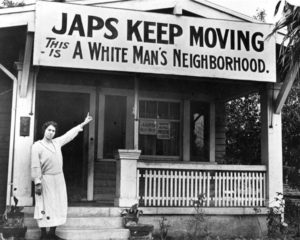 After being released from the camp in Utah, Korematsu had to move east since the law would not allow former internees to move back westward. He moved to Salt Lake City, Utah, where he continued to fight racism. He still knew there were inequalities among the Japanese, since he experienced them in his everyday life. He found work repairing water tanks in Salt Lake City, but after three months on the job, he discovered he was being paid half of what his white coworkers were being paid. He told his boss that this was unfair and asked to be paid the same amount, but his boss only threatened to call the police and try to get him arrested just for being Japanese, so he left his job.
In 1976, President Gerald Ford signed a proclamation formally terminating Executive Order 9066 and apologizing for the internment, stated: “We now know what we should have known then—not only was that evacuation wrong but Japanese-Americans were and are loyal Americans. On the battlefield and at home the names of Japanese-Americans have been and continue to be written in history for the sacrifices and the contributions they have made to the well-being and to the security of this, our common Nation.”After this incident, Korematsu lost hope, remaining quiet for over thirty years. His own daughter did not find out about what her father did until she was in high school. He moved to Detroit, Michigan, where his younger brother lived, and where he worked as a draftsman until 1949. He married Kathryn Pearson in Detroit on October 12, 1946. They returned to Oakland to visit his family in 1949 because his mother was ill. They did not intend to stay, but decided to after Kathryn became pregnant with their first child, Karen. His daughter was born in 1950, and a son, Ken, in 1954.
In 1980, President Jimmy Carter appointed a special commission to investigate the internment of Japanese Americans during World War II, which concluded that the decisions to remove those of Japanese ancestry to prison camps occurred because of “race prejudice, war hysteria, and a failure of political leadership”. In 1988, President Ronald Reagan signed the Civil Liberties Act of 1988 which had been sponsored by Representative Norman Mineta and Senator Alan K. Simpson. It provided financial redress of $20,000 for each surviving detainee, totaling $1.2 billion.
In the early 1980s, while researching a book on internment cases, lawyer and University of California, San Diego professor Peter Irons came across evidence that Charles Fahy, the Solicitor General of the United States who argued Korematsu v. United States before the Supreme Court, had deliberately suppressed reports from the Federal Bureau of Investigation and military intelligence which concluded that Japanese-American citizens posed no security risk. These documents revealed that the military had lied to the Supreme Court, and that government lawyers had willingly made false arguments. Irons concluded that the Supreme Court’s decision was invalid since it was based on unsubstantiated assertions, distortions and misrepresentations. Along with a team of lawyers headed by Dale Minami, Irons petitioned for writs of error coram nobis with the federal courts, seeking to overturn Korematsu’s conviction.
 On November 10, 1983, Judge Marilyn Hall Patel of U.S. District Court in San Francisco formally vacated the conviction. Korematsu testified before Judge Patel, “I would like to see the government admit that they were wrong and do something about it so this will never happen again to any American citizen of any race, creed, or color.” He also said, “If anyone should do any pardoning, I should be the one pardoning the government for what they did to the Japanese-American people.” Judge Patel’s ruling cleared Korematsu’s name, but was incapable of overturning the Supreme Court’s decision.
President Bill Clinton awarded the Presidential Medal of Freedom, the highest civilian honor in the United States, to Korematsu in 1998, saying, “In the long history of our country’s constant search for justice, some names of ordinary citizens stand for millions of souls: Plessy, Brown, Parks … to that distinguished list, today we add the name of Fred Korematsu.” That year, Korematsu served as the Grand Marshal of San Francisco’s annual Cherry Blossom Festival parade.
A member and Elder of the First Presbyterian Church of Oakland, Korematsu was twice President of the San Leandro Lions Club, and for 15 years a volunteer with Boy Scouts of America, San Francisco Bay Council.
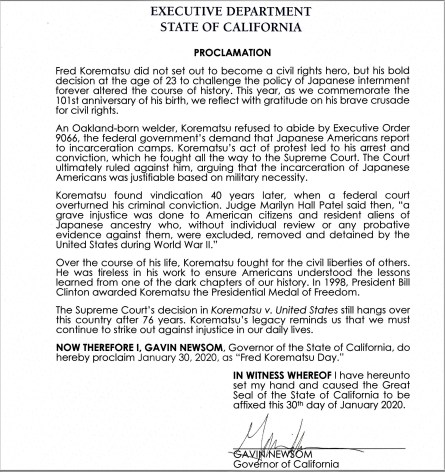 From 2001 until his death in 2005, Korematsu served on the Constitution Project’s bipartisan Liberty and Security Committee. Discussing racial profiling in 2004, he warned, “No one should ever be locked away simply because they share the same race, ethnicity, or religion as a spy or terrorist. If that principle was not learned from the internment of Japanese Americans, then these are very dangerous times for our democracy.”
Fred Korematsu died of respiratory failure at his daughter’s home in Marin County, California, on March 30, 2005. One of the last things Korematsu said was, “I’ll never forget my government treating me like this. And I really hope that this will never happen to anybody else because of the way they look, if they look like the enemy of our country.” He also urged others to “protest, but not with violence, and don’t be afraid to speak up. One person can make a difference, even if it takes forty years.”
In 2018, in Trump v. Hawaii, the Supreme Court expressly declared that Korematsu’s case was wrongly decided. Chief Justice Roberts wrote, “Korematsu was gravely wrong the day it was decided, has been overruled in the court of history, and—to be clear—’has no place in law under the Constitution,” quoting Justice Jackson’s dissent in Korematsu v. United States.
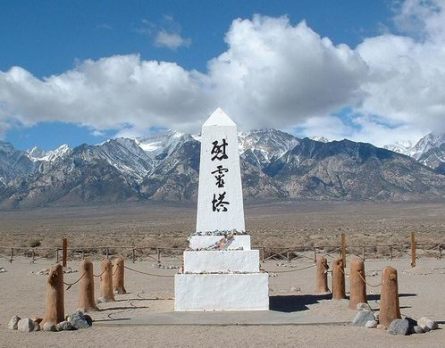 The proclamation by Governor Newsom reads as follows:
“PROCLAMATION: “Fred Korematsu did not set out to become a civil rights hero, but his bold decision at the age of 23 to challenge the policy of Japanese internment forever altered the course of history. This year, as we commemorate the 101st anniversary of his birth, we reflect with gratitude on his brave crusade for civil rights.
An Oakland-born welder, Korematsu refused to abide by Executive Order 9066, the federal government’s demand that Japanese Americans report to incarceration camps. Korematsu’s act of protest led to his arrest and conviction, which he fought all the way to the Supreme Court. The Court ultimately ruled against him, arguing that the incarceration of Japanese Americans was justifiable based on military necessity.
Korematsu found vindication 40 years later, when a federal court overturned his criminal conviction. Judge Marilyn Hall Patel said then, “a grave injustice was done to American citizens and resident aliens of Japanese ancestry who, without individual review or any probative evidence against them, were excluded, removed and detained by the United States during World War II.”
Over the course of his life, Korematsu fought for the civil liberties of others. He was tireless in his work to ensure Americans understood the lessons learned from one of the dark chapters of our history. In 1998, President Bill Clinton awarded Korematsu the Presidential Medal of Freedom.
The Supreme Court’s decision in Korematsu v. United States still hangs over this country after 76 years. Korematsu’s legacy reminds us that we must continue to strike out against injustice in our daily lives.”
Let us celebrate Fred Korematsu Day by learning his story, affirming our rejection of racism, and committing ourselves to stand up for what is right.”
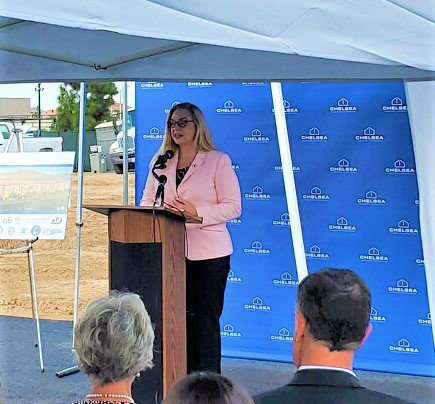 The new law also extends this property tax break to land for owner-occupied affordable home projects. As I told the Orange County Register, “It’s really hard to build these [affordable housing] projects. You have to have a lot of funding, and property taxes can take a significant bite out of that. Even if it didn’t prevent us from doing the [Salerno] project, it lowered the number of units we could do.” Now that’s been changed. Under the new law, property tax rates will be lower at the outset for below-market rate, affordable housing, making it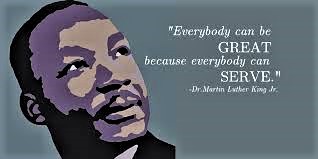
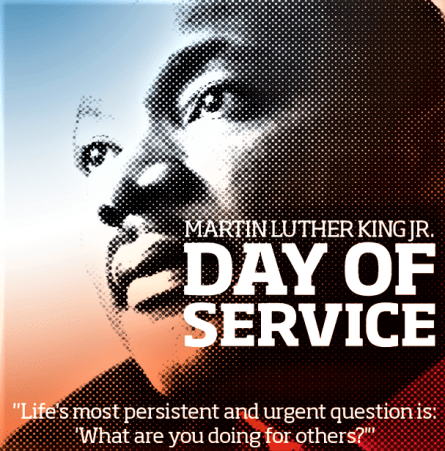
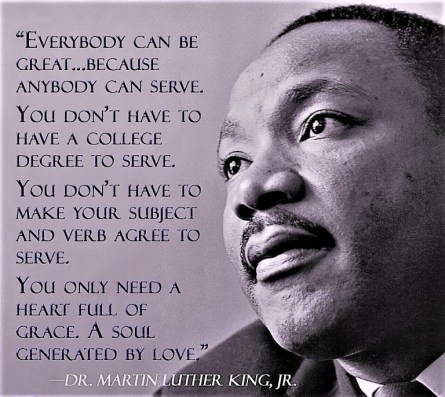 Taking place each year on the third Monday in January, the MLK National Day of Service is the only federal holiday observed as a national day of service – a “day on, not a day off.” It calls for Americans from all walks of life to work together to provide solutions to our most pressing national and community problems.
 A terrific local organization for service is the
 Even before women had secured the right to vote, we were at the forefront in calling for social change to protect the most vulnerable members of our society, especially children, the sick, and the elderly.
 Last year, I joined three of my colleagues on the Irvine City Council to
 Irvine will deliver your letters to Santa Claus!
 This free event will include visits with Santa Claus, live holiday music, games, crafts, and winter-themed train route.
 We have much for which we are grateful.
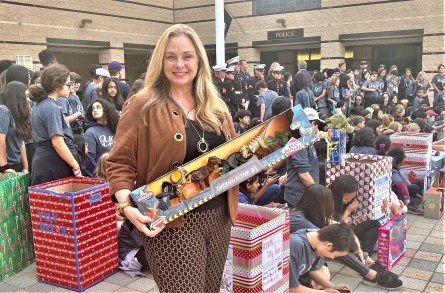
 We are grateful for our Police and Firefighters, our Soldiers, Sailors, Marines, Coast Guardsmen and Airmen.
 We also endorse giving to
 The Home for the Holidays Pet Adoption Event also features dozens of vendors, gourmet food trucks, a silent auction, low-cost microchipping and an opportunity drawing.
 Santa is busy getting ready for the holidays, and he would love to hear from his friends in Irvine!
 The 2020 Irvine Animal Care Center Calendar is on sale now for $15.
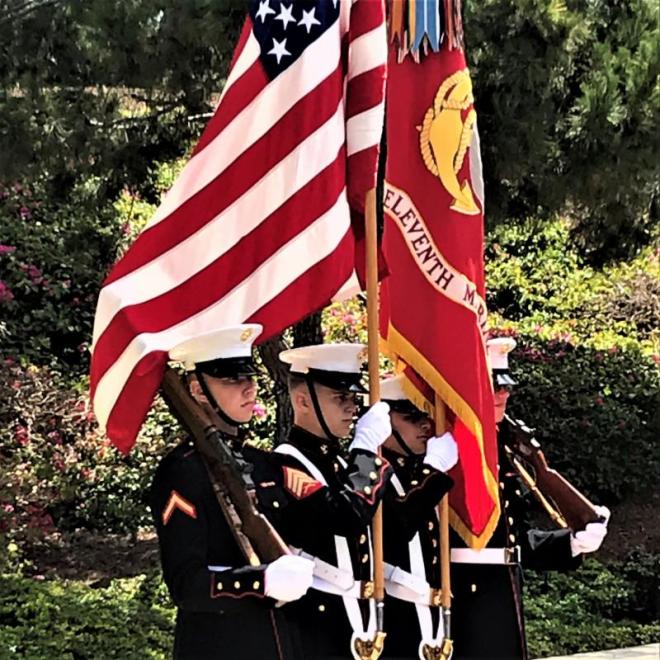 Veterans Day is a time to honor America’s veterans for their patriotism, love of country, and commitment to serve and sacrifice for the common good.
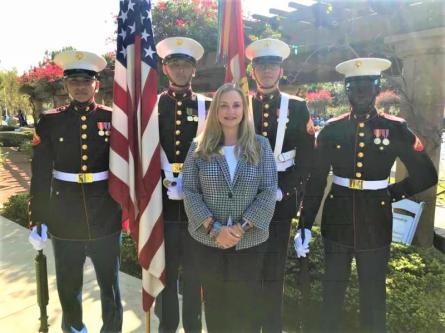 The ceremony will honor all our service members – past and present Honor Guards from the Irvine Police Department and Irvine’s own adopted 2/11 Marines will lead the opening and closing ceremonies.

 The City of Irvine and the 2/11 Marines made a pledge to encourage mutually beneficial interactions between the community and the battalion.
 I am honored to serve as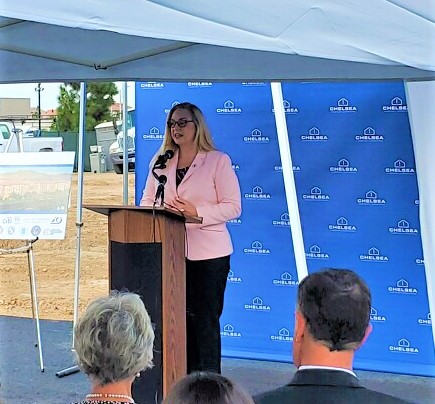
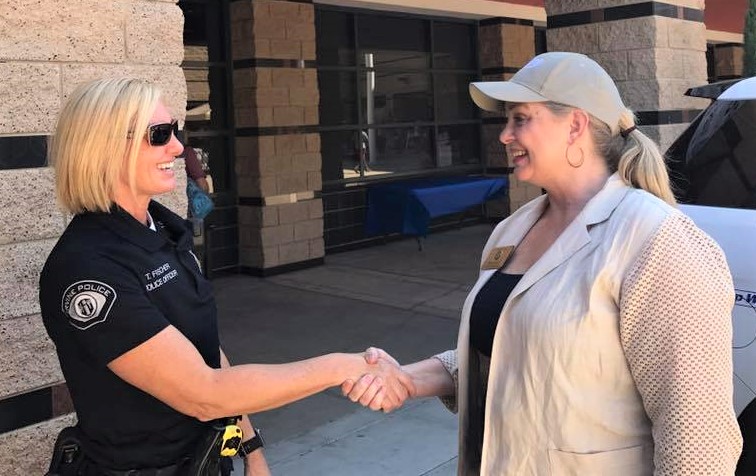 Recently, using data from the FBI, 24/7 Wall St. reviewed the violent crimes rate in the 294 U.S. cities with populations of at least 100,000 — a population-adjusted measure of incidents of rape, robbery, homicide, and aggravated assault — to identify
 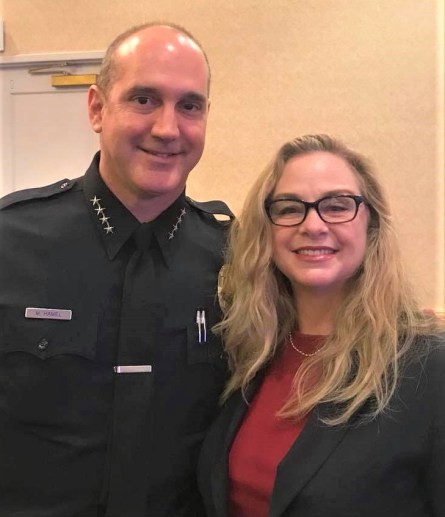 According to the most recent FBI data, there were zero murders, 40 rapes, 53 robberies, and 67 aggravated assaults reported in Irvine in 2018. Adjusted for population, there were just 56 violent crimes reported per 100,000 Irvine residents, by far the lowest rate of any U.S. city with a population of at least 100,000 and less than one-sixth the national violent crime rate.
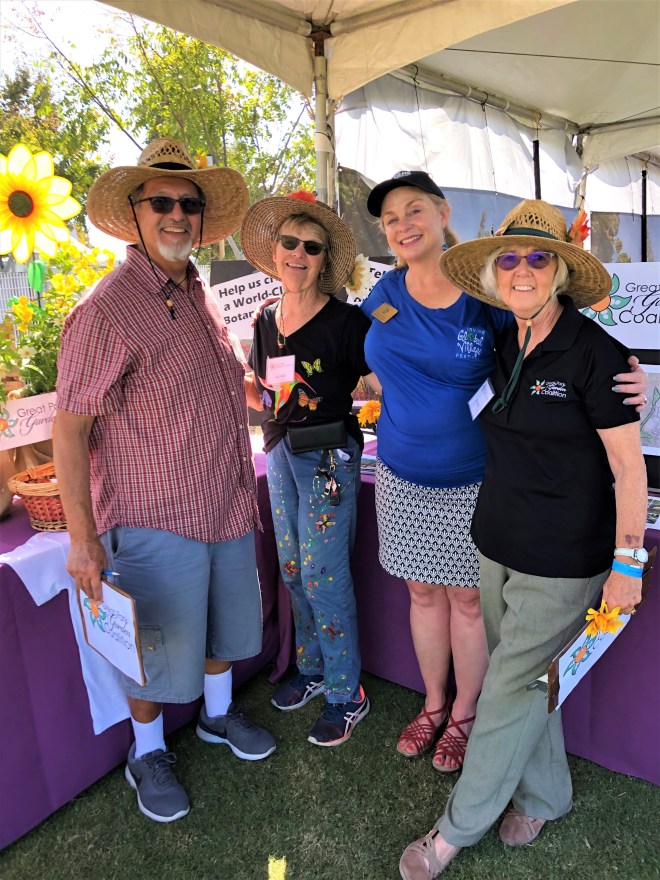
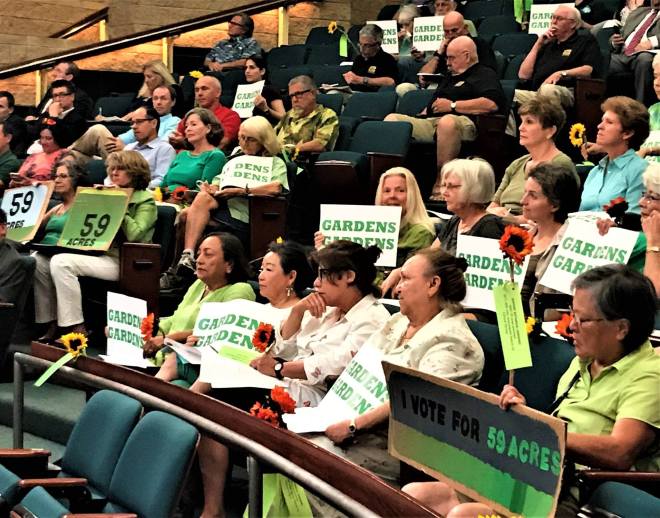 If you’re a supporter of botanical gardens in the Orange County Great Park, please attend the important Great Park Board Meeting on Tues., October 22, 2019, at 1:00 p.m. in the Irvine City Council Chambers.
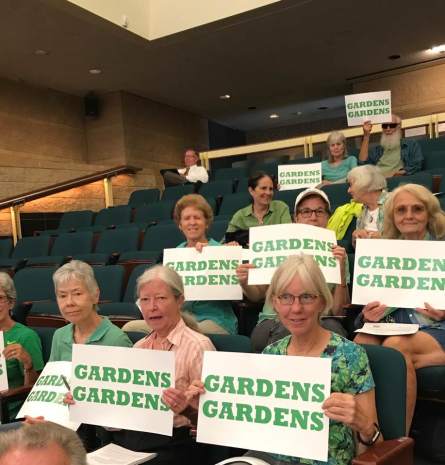 Of special concern to supporters of Great Park Botanical Gardens is the fact that there is no funding or acreage currently allotted or proposed for a botanical gardens.
 I also continue to agree with what Joyce Mann wrote in the
  I appreciate that gardens and museums are not necessarily revenue-producing amenities. But as
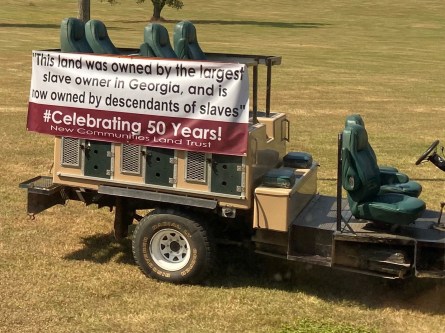
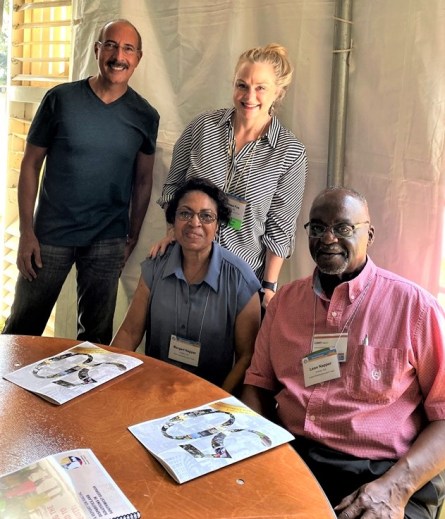
 The new legislation, SB 196, which ICLT and I worked on with Senators Jim Beall, Mike McGuire, and Bob Wieckowski to pass in Sacramento, and which has now been signed into law by the Governor, allows properties slated for affordable rental homes to get a tax exemption sooner, saving nonprofit builders between millions of dollars that can instead go toward building more affordable homes. The new law also extends this property tax break to land for owner-occupied affordable home projects. As I told the Orange County Register, “It’s really hard to build these [affordable housing] projects. You have to have a lot of funding, and property taxes can take a significant bite out of that. Even if it didn’t prevent us from doing the [Salerno] project, it lowered the number of units we could do.”
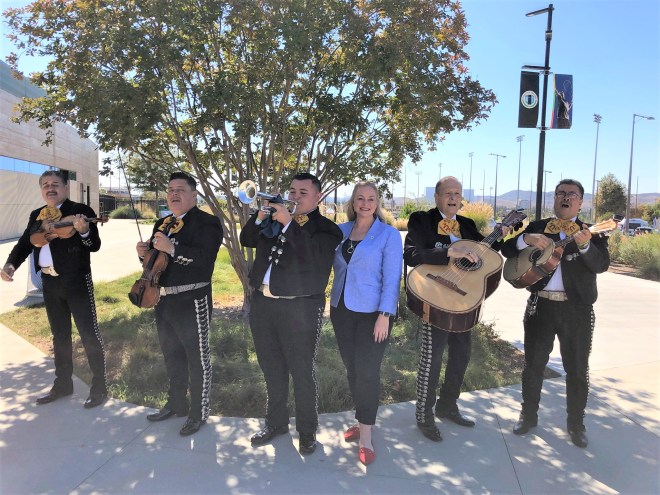
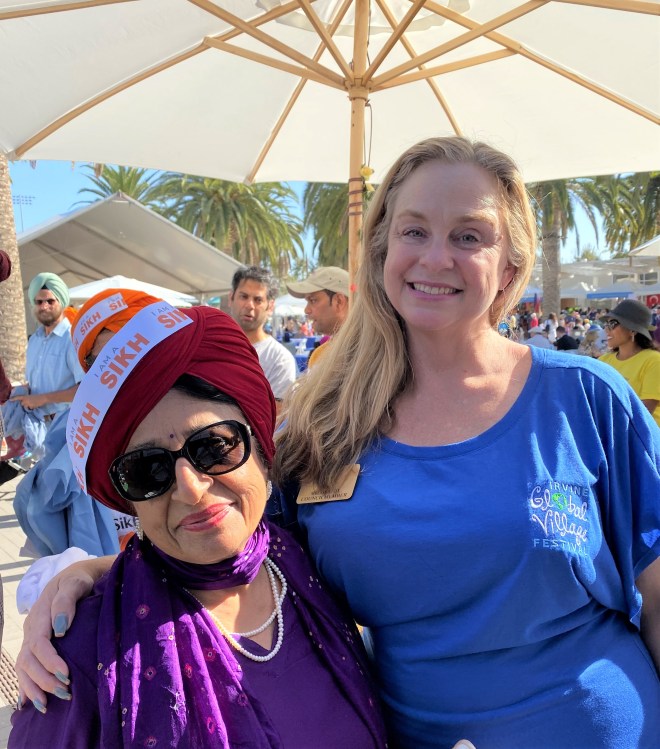
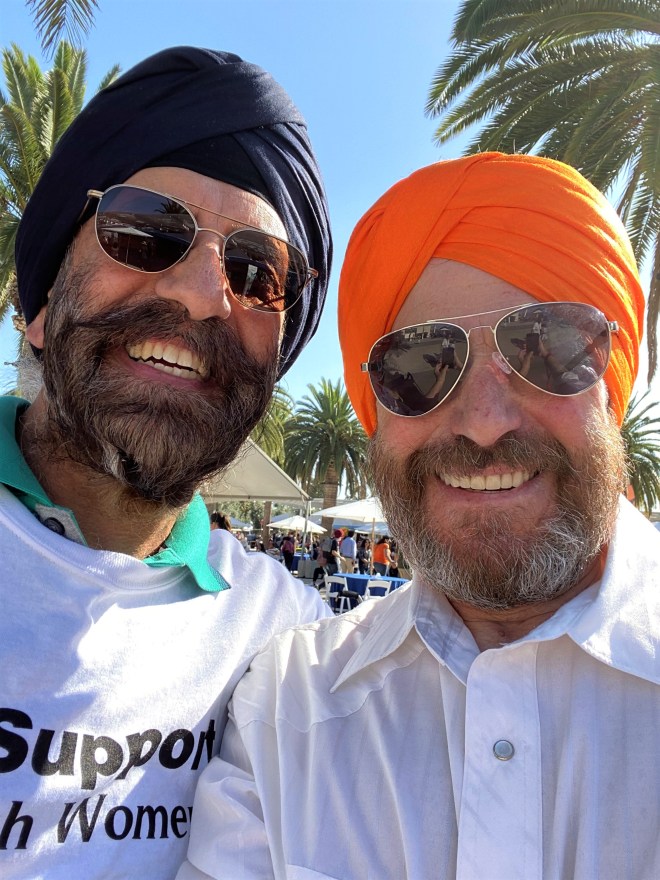
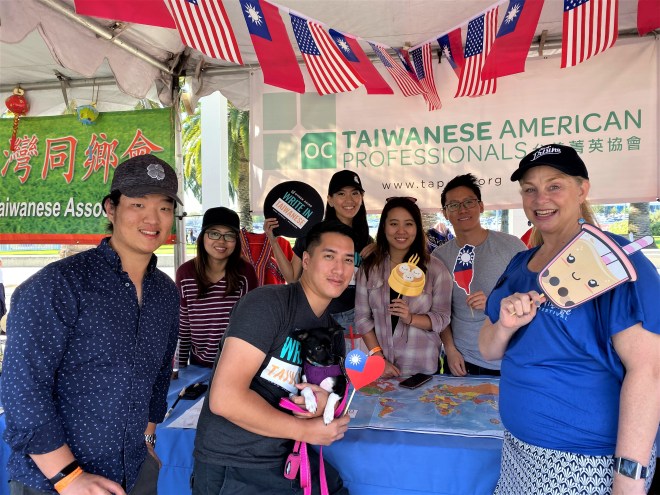
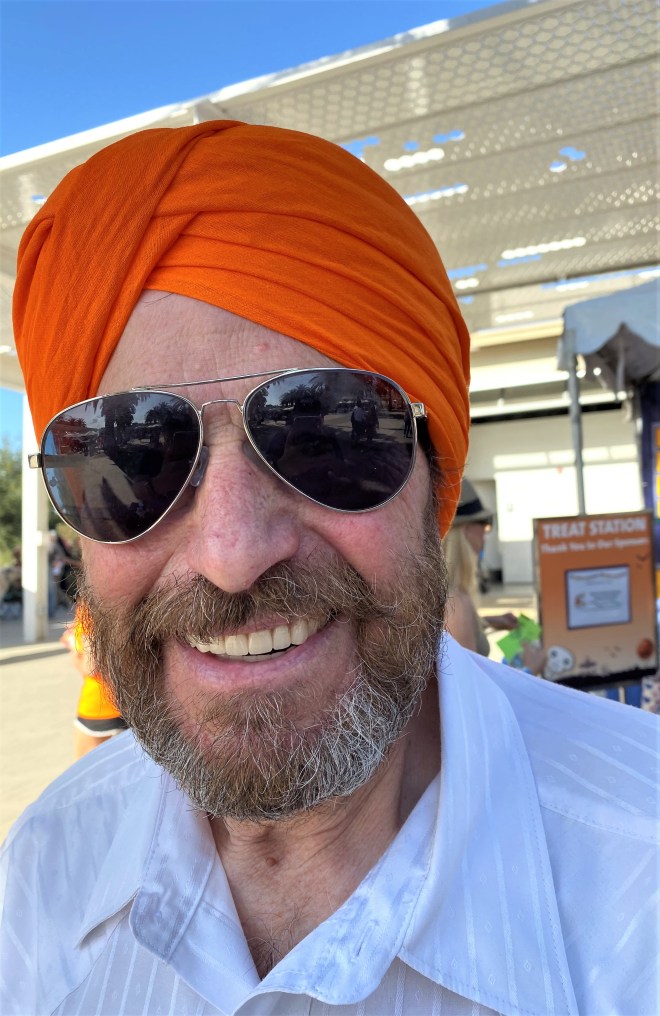
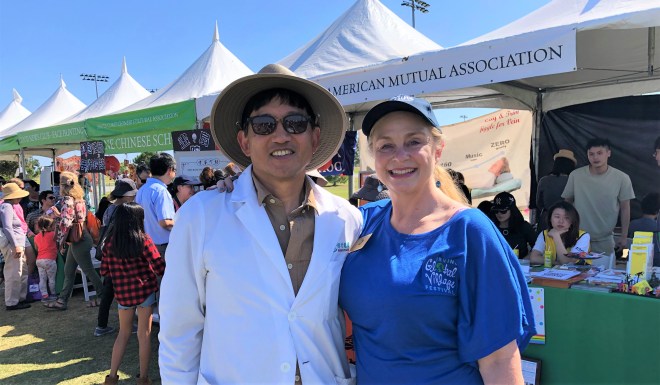
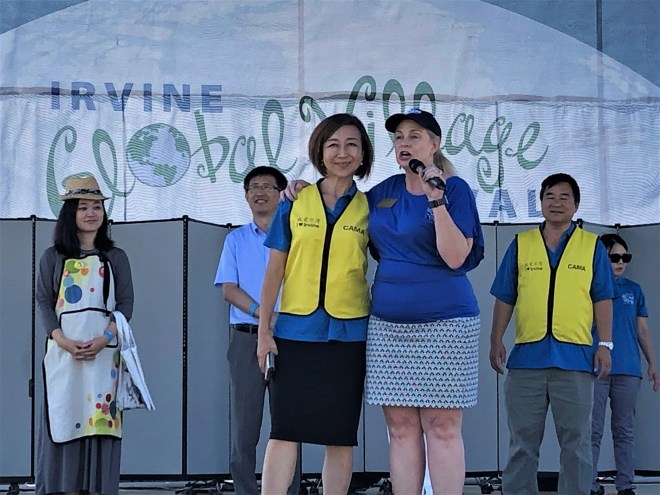
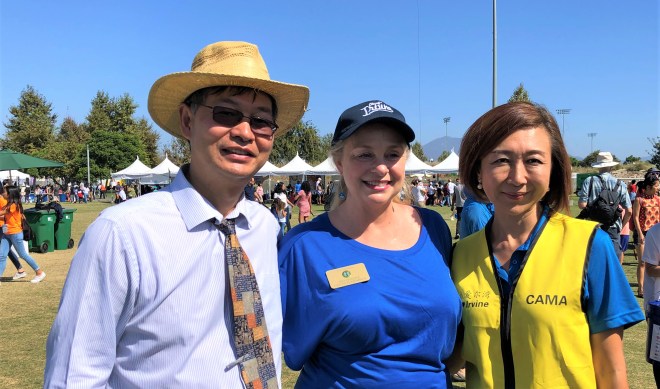
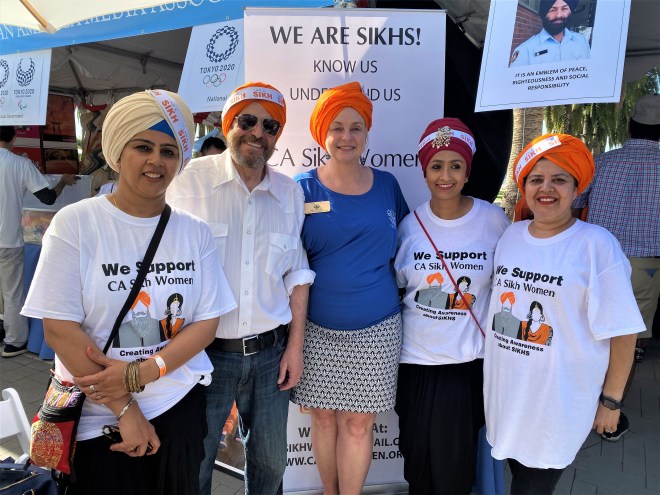
 Last year was the first time that the Irvine Global Village Festival, formerly held at Col. Bill Barber Park next to Irvine City Hall, was held at the far more expansive grounds of the Orange County Great Park. This year was the first time that the Festival was extended to two full days.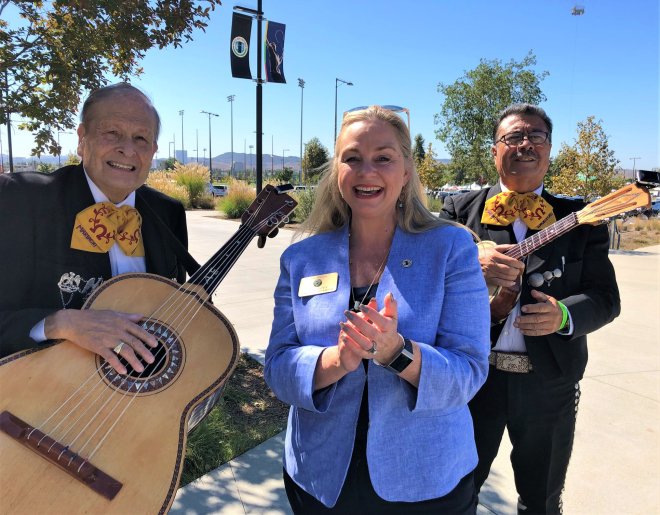

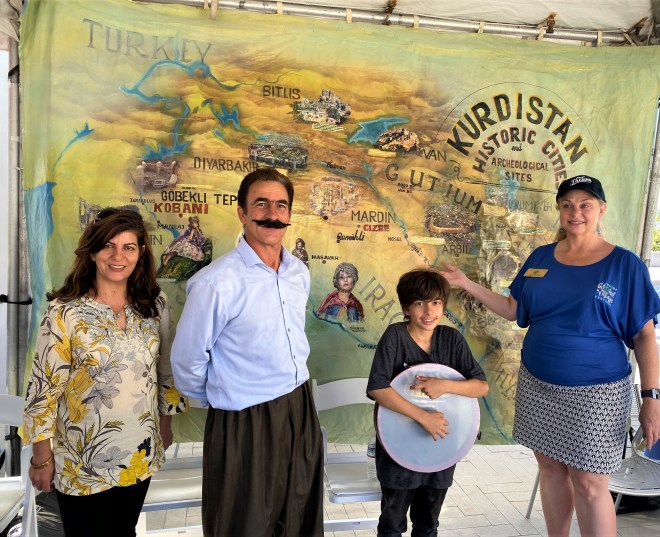
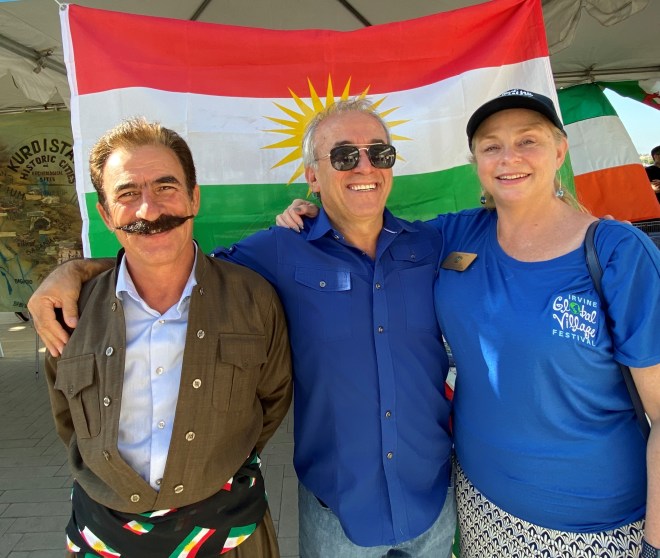



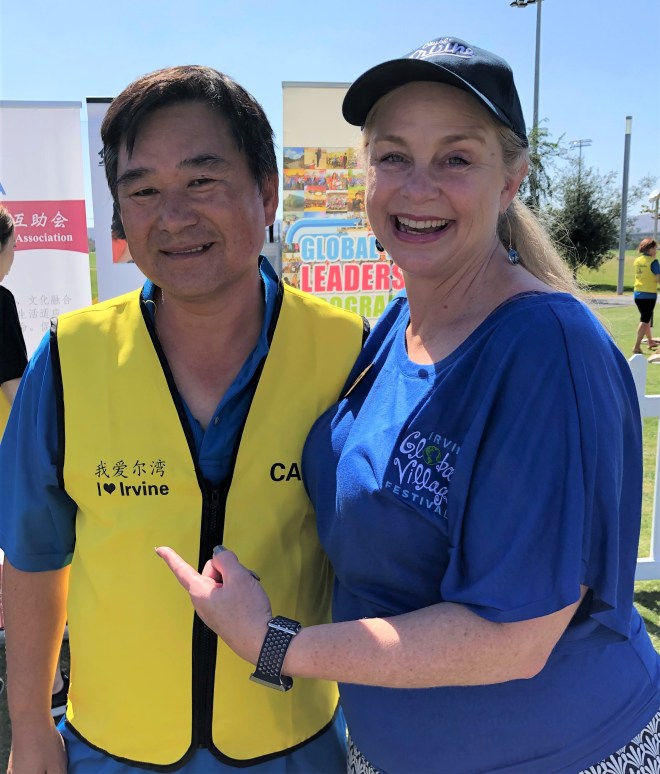


 October is Filipino American History Month!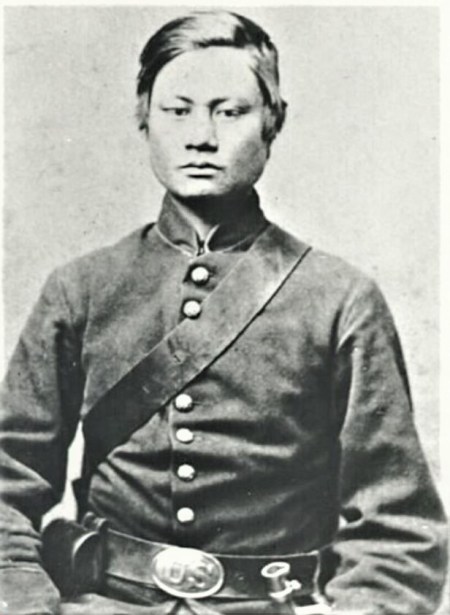
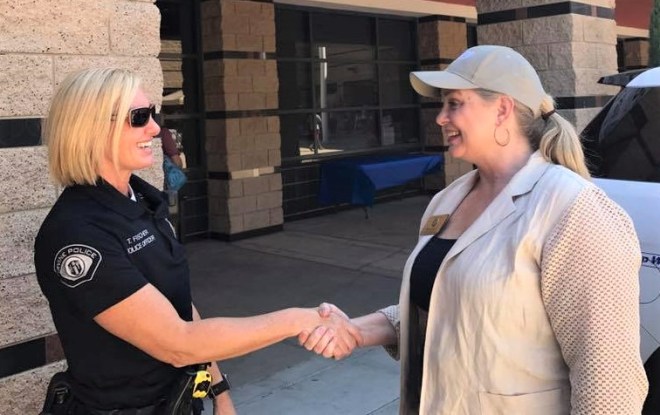
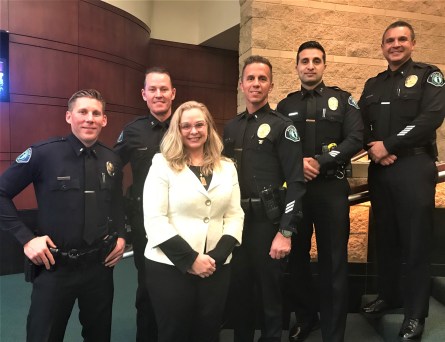 Irvine Chief of Police Mike Hamel said, “Irvine continues to be a safe community due to the collaboration between the men and women of the Irvine Police Department who work tirelessly every day to identify and respond to criminal activity and quality of life issues, our City leaders who always make public safety a top priority, and our residents who actively participate in crime prevention and community improvement strategies.”
 My favorite Irvine cultural event of the year is almost here! Experience sights and sounds from around the world on Saturday, October 12 through –Sunday, October 13, 2019, 10 a.m.–5 p.m., at the Orange County Great Park, at the
  I am thrilled that, for the very first time, the Irvine Global Village Festival will run for two days at the Great Park!
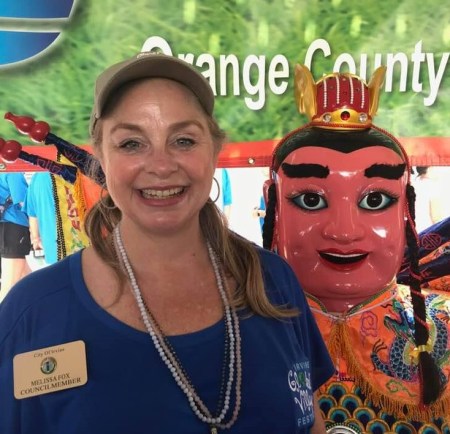 Here are some important Festival details:
 I am honored to serve as
  Please join us on Thursday, September 19, at 5:30–6:30 p.m. for the City’s public outreach opportunity regarding the Sweet Shade Ability Center at Sweet Shade Neighborhood Park.
  Universal playgrounds are designed to be usable by all people to the greatest extent possible without the need for adaptation or specialized design, including theme-oriented playground equipment, site furnishings, and shade canopies that are well integrated with the existing park, leaving no child on the sidelines.
 The
The 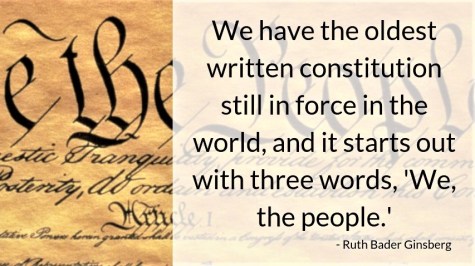 As United States Supreme Court Justice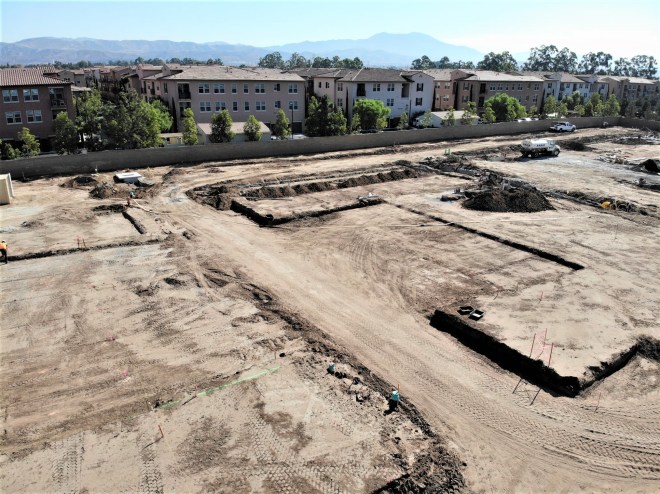
 We build high-quality affordable rental, ownership and special needs housing for the benefit of income-eligible families. Located in the heart of Southern California’s one of the most expensive real estate markets, there is a tremendous need for affordable housing.
  You are invited to attend!

 City Councils are not private clubs. Public meetings in a real democracy should not be stage-managed by the political majority to prevent public discussion of issues that they want to avoid for their own political advantage.
 The new policy was in direct response to


 All pictures that meet entry guidelines will be included in our 2020 Irvine Animal Care Center wall calendar!
 The Register also recognizes that while the new rule was adopted specifically to silence me, the effect of the rule will be to silence all disagreement and dissent:
 There have been many shifting majorities on the City Council over the years, but no other Council has gone so far to silence dissenti
 Many of these kittens are too young to even open their eyes, and unfortunately many of them will not survive without their mothers.
 f you think that you might be able to foster these kittens, please go to the shelters or visit them online at
 Even if the City Council appoints a new member, the people can still override that appointment and demand an election by filling a petition signed by seven percent of the voters of the City.
 Once you’re registered, your race medal and completion certificate will be mailed directly to you. All that’s left to do is complete your 5K (3.1 miles) between April 1 and April 30. It’s that easy!
 You are invited to join the
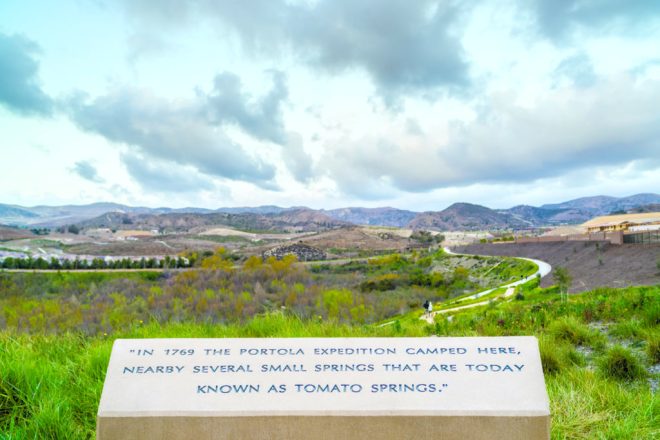
  Did you know that of the original 219 men of the Portola expedition who left Baja California for the north on three ships, only about 100 survived to begin their journey from San Diego to Monterey?
 Here is what I would like to hear the Mayor address:
 But we need to do more.
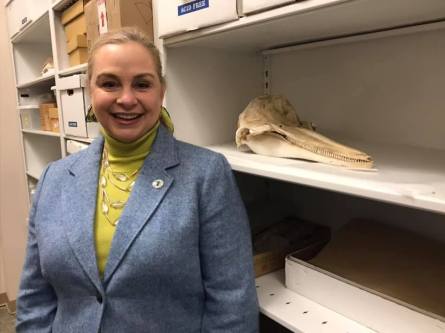 What I would like to hear the Mayor speak about tonight is a vision and a plan for completing the next crucial phase of the park – the Cultural Terrace.
 Finding solutions to the housing crisis and alleviating homelessness has been a priority for me, both as a member of the Irvine City Council and as Chair of the
  I would like to see our city leaders display the truly democratic spirit that united all decent people in our community in condemning religious and racial bigotry, and not the divisiveness that is created when wedge issues, outside our jurisdiction and purview, are brought before the City Council. Focusing on these wedge issues does not produce positive policies that bring our city together, but instead a theatrical politics of division that can only drive us apart.
 and toys.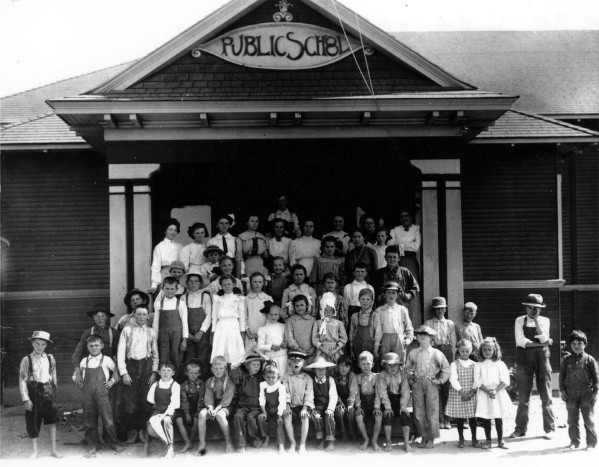

 You can purchase your calendar at the center during regular business hours, weekdays from noon to 6 p.m., and weekends from 10 a.m. to 5 p.m. The Center is closed on Tuesdays and holidays.


 The City of Irvine’s website also provides information on many




 The topic this month is “A Traditional Irvine Ranch Thanksgiving.”
  Melissa J. Fox
You must be logged in to post a comment.